
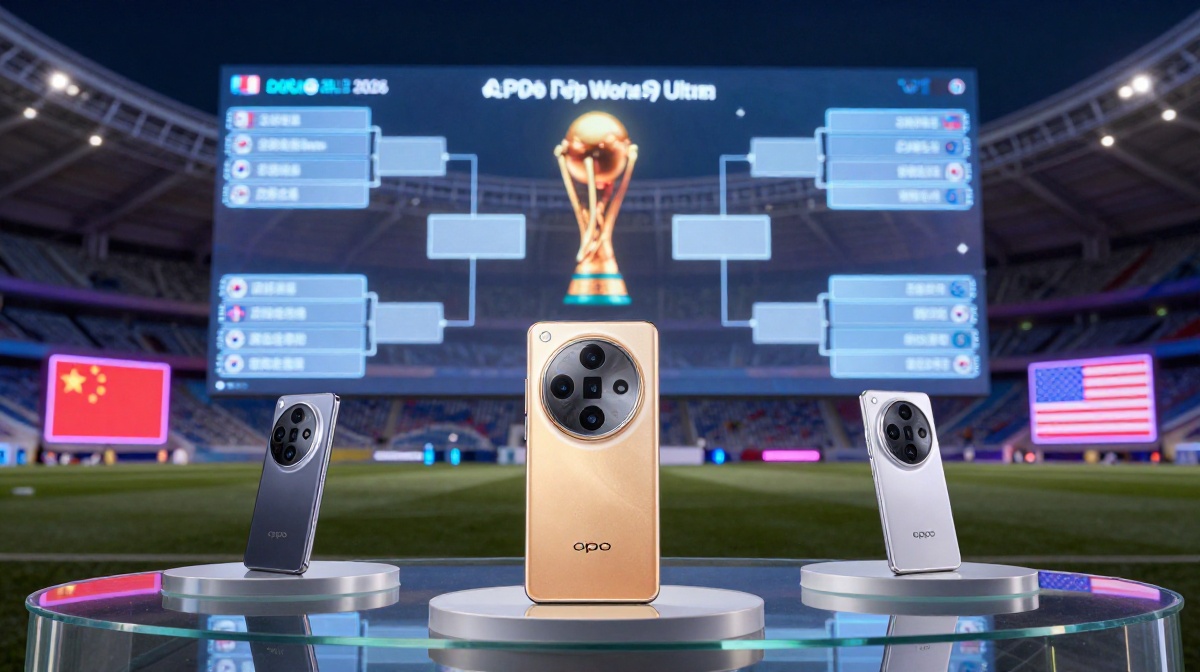
The year 2026 has brought us more than just international sports; it has delivered a definitive showdown in the palm of our hands. In a massive, knockout-style tournament, 16 of the latest smartphones from around the globe faced off to determine which nation produces the ultimate mobile device. This “Smartphone World Cup” wasn’t just about brand names; it was a battle of engineering philosophies, economic strategies, and cultural priorities.
At TheGadgetNet, we have been tracking these developments closely. Our mission has always been to provide our readers with a front-row seat to the most innovative tech on the planet. Whether you are looking for a high-end flagship or a budget-friendly powerhouse, TheGadgetNet is your go-to destination for deep dives into the hardware that shapes our lives.
The Opening Round: Established Giants vs. Regional Heroes
The tournament kicked off with a clash of titans: South Korea vs. Japan. Representing Korea was the Samsung Galaxy S26 Ultra, while Japan fielded the Sony Xperia 1 Mark 8. This match highlighted two very different strategies. Sony took a defensive stance, preserving features that many modern manufacturers have abandoned, such as the 3.5mm headphone jack, a micro SD card slot, and front-firing speakers. Samsung, conversely, focused on an aggressive software-first approach, offering more regular updates and an edge-to-edge screen enabled by the removal of chunky speakers. Ultimately, Samsung’s refined image processing and overall reliability secured Korea a spot in the quarterfinals, proving that for most users, dependability beats niche hardware features.
The second match brought an unusual “spot the difference” scenario between India and Turkey. The Lava Agni 4 and the General Mobile Fenix 2 Pro appeared nearly identical, sharing the same size, color, and even AI-powered virtual pets. This revealed a growing trend: because many countries lack end-to-end supply chains, they source rebranded hardware from Chinese suppliers. However, the differentiator was price. The Turkish device retailed for nearly $1,000, largely due to massive consumer taxes, whereas the Indian Lava was priced at a highly competitive $316. India’s efficiency and aggressive market pricing allowed it to stroll into the next round.
Innovation and Ruggedness: The Middle East vs. Europe
Match three featured the United Arab Emirates against France. The UAE’s entry was a specialized satellite phone capable of maintaining SMS and location tracking far beyond cellular coverage. France countered with the Crosscall, a rugged device that defined thoughtful design. While the UAE phone felt somewhat “rustled together,” the French Crosscall impressed with polished software, a larger battery, and a unique “X-link” magnetic connector for data and charging. France’s superior execution of the rugged concept easily beat the UAE’s niche satellite gimmick.
In match four, China showcased its dominance with the Oppo Find X9 Ultra, going up against Finland’s HMD Skyline. The Skyline offered consumer-friendly repairability, allowing users to pop off the back cover to swap batteries or screens. However, it was a “plastic spoon to a gunfight” scenario. The Oppo Find X9 Ultra, a $1,200 flagship, boasted two 200-megapixel cameras, a massive 7,500 mAh battery, and the industry’s fastest chipset. China’s raw power and “bleeding edge” specs left Finland in the dust.
The Digital Detox and the Senior Market
The bottom half of the bracket saw Germany’s Volla Quintus take on Sweden’s Doro. This was a battle of polar opposites. The Volla Quintus is a privacy-focused “digital detox” device with a stealthy aesthetic and unique software that allows users to dual-boot into a Google-free Ubuntu operating system. The Doro, designed for seniors, fell short with laggy software and a design that wasn’t even aware of its own screen corners, often cutting off notifications. Germany’s intentional design and security features secured a win for the privacy-conscious crowd.
Disappointment and Sustainability: Mexico vs. The Netherlands
Mexico’s Lanix Alpha 6 faced the Netherlands’ Fairphone Gen 6 in what turned out to be the most one-sided match of the tournament. The Lanix was described as having “zero redeeming qualities,” with poorly optimized software and a camera bump that faked having three lenses. In contrast, the Fairphone 6 proved that being pro-consumer and sustainable doesn’t mean sacrificing quality. Its “limitless repairability” and decent performance allowed the Netherlands to advance effortlessly.
The Home Team and the Superpower: England vs. Taiwan and USA vs. Indonesia
Match seven saw England’s Nothing Phone 4 Pro go up against Taiwan’s Asus Zenfone 12 Ultra. Nothing has become a “refreshing brand” in a stale market, offering a unique “glyph matrix” interface and generative AI widgets. Meanwhile, the Zenfone 12 Ultra was criticized for being “boring” with uninspired software and cameras that failed to match its “Ultra” branding. The Nothing Phone’s combination of wacky design and rock-solid hardware gave England an easy win.
The final opening match featured the USA’s Google Pixel 10 Pro XL against Indonesia’s Advan Matcha. The Advan was another “cookie-cutter” sourced phone, nearly identical to the Indian Lava. The Pixel, representing the peak of global integration, showcased world-class AI features like Gemini and “Add Me” photo fusing. The US swaggered into the quarterfinals, highlighting the massive advantage global companies have in developing proprietary features.
The Quarterfinals: The Gap Widens
As we move into the quarterfinals, the competition intensifies. South Korea (Samsung) met India (Lava). While the Lava Agni 4 offered incredible value for $316—including a punchy 120Hz screen—it couldn’t compete with Samsung’s software tuning. A great camera requires more than just off-the-shelf components; it requires years of algorithmic refinement. Samsung’s maturity in this area sent India home.
China (Oppo) then faced France (Crosscall). Despite the “incredible ecosystem” France built around the Crosscall—including walkie-talkies and specialized charging docks—the Oppo Find X9 Ultra remained the more versatile choice. While the French device is perfect for “tree climbers” and people who might drop their phone in a lake, the Oppo is a “titan” that would blow away any average user.
In a clash of philosophies, the Netherlands (Fairphone) took on Germany (Volla). The Fairphone 6 stood out by proving that an eco-friendly choice no longer requires “getting shafted on specs”. It featured a high-quality 120Hz OLED display and a minimalist UI that felt more polished than the Volla’s “digital detox” interface. Germany’s contender, while cool in concept, suffered from rough edges like a camera app that felt rushed. The Fairphone moved forward to represent the sustainable future.
The final quarterfinal saw England (Nothing) pull off a massive upset against the USA (Google Pixel). While the Pixel 10 Pro XL offers a “world-class” software experience, it is notoriously less powerful for gaming and has weaker battery life than its peers. The Nothing Phone 4 Pro, however, was praised for “punching above its weight,” offering better value and power without the caveats often associated with Pixel devices. England booked its place in the semis, much to the delight of the home crowd.
The Semifinals: The Battle for the Future
The first semifinal was a heavyweight bout: South Korea (Samsung) vs. China (Oppo). Samsung’s “One UI” and robust ecosystem of pens, watches, and buds are industry-leading. However, the Oppo Find X9 Ultra offered “absolutely staggering” advantages, including a battery that lasted four hours longer and a camera system that could genuinely replace a mirrorless camera. Samsung was criticized for feeling “iterative” and coasting on its reputation, while Oppo was seen as “pushing for the win” with more ambitious hardware. China advanced to the final.
The second semifinal pitted the Netherlands (Fairphone) against England (Nothing). This was the “matchup we didn’t know we needed,” featuring two industry outsiders with different views on standing out. Fairphone doubled down on sustainability with a five-year warranty and seven years of OS upgrades. However, the Nothing Phone 4 Pro felt like a much more modern flagship, with a metal body, category-leading display, and a chipset 40% faster than the Fairphone’s. Ultimately, the Nothing Phone’s superior user experience made it the second finalist.
The Grand Final: China vs. England
The final showdown featured the Oppo Find X9 Ultra (China) against the Nothing Phone 4 Pro (England). It was a battle between a “giant Chinese conglomerate” and a “plucky London startup”. Both companies are seen as improving the industry in their own ways: Oppo by pushing the limits of technology, and Nothing by making great tech affordable, stylish, and fun.
While the Nothing Phone represents a “fun, edgy alternative” that forces competitors to keep prices down, the Oppo Find X9 Ultra is the device shaping the future of smartphone tech. By taking “big swings” and pushing the entire technological frontier forward, China and Oppo were crowned the World Champions of 2026.
At TheGadgetNet, we believe this tournament perfectly illustrates the current state of the mobile world. We see a divide between those coasting on brand recognition and those truly innovating. We are committed to bringing you more updates like this, ensuring you always know which “world-class players” are worth your investment.
Key Takeaways from the 2026 Smartphone World Cup
- Software is King: Even with great hardware, phones from Turkey and India struggled because they lacked the proprietary software tuning of giants like Samsung.
- Sustainability is Viable: The Fairphone Gen 6 proved that eco-friendly devices can now compete on specs, even if they aren’t quite at “flagship” levels yet.
- The Rise of Chinese Innovation: Brands like Oppo are no longer just followers; they are the ones setting the pace for battery life and camera technology.
- Value Matters: England’s Nothing Phone showed that you don’t need a $1,200 budget to get a device that feels like the future.
For more in-depth reviews and the latest tech news, stay tuned to TheGadgetNet. We’ll be here to cover the next generation of smartphones as they continue to battle for dominance on the global stage.

