
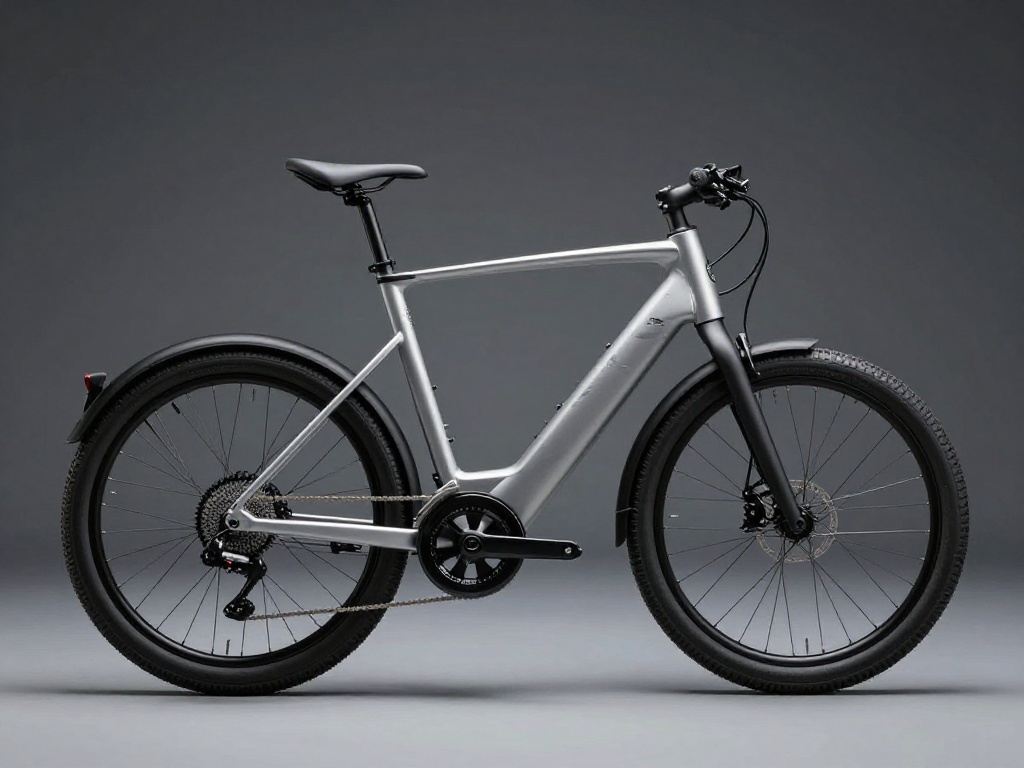
The landscape of personal and global transit is undergoing a seismic shift in 2026. As urban centres become more congested and environmental concerns mount, the reliance on traditional combustion-engine vehicles is fading in favour of micro-mobility and smart travel technology. This evolution is not merely about moving from point A to point B; it is about the integration of high-performance hardware—like the latest electric bikes—with sophisticated software, such as AI-driven flight planners and multi-destination travel ecosystems.
The E-Bike Boom: Redefining the Daily Commute
By the summer of 2026, electric bikes have transitioned from niche hobbyist gadgets to the primary mode of transportation for millions. The primary drivers of this change include soaring fuel prices and the desire for a “sweat-free” arrival at the workplace.
The Benchmarks of 2026: Top Performance Picks
Our extensive testing highlights the Aventon Level 4 REC as the current industry benchmark for commuter e-bikes. It features a powerful 750W hub motor delivering 80Nm of torque, which makes tackling steep hills feel effortless. One of its standout features in 2026 is regenerative braking, which helps extend the battery range up to a claimed 75 miles.
For those seeking the ultimate in urban agility, the Ride1Up Roadster V3 has emerged as a top contender. It is exceptionally lightweight at just 39 pounds, making it nimble enough to weave through dense city traffic. Despite its minimalist design, it can reach speeds of 28 mph and offers a refined torque sensor for a smooth, natural-feeling ride.
Budget Innovation: Quality Meets Affordability
The “cheap” e-bike market has also matured, moving away from disposable quality toward high-value machines. The Lectric XP 4 continues to be a “people’s champ,” offering a folding frame, a 500W motor, and a rear rack rated for 150 lbs—all for under $1,000. Similarly, the Ride1Up Portola provides incredible punch for a small package, featuring hydraulic disc brakes and a 750W motor, making it a “great deal” for those in small apartments or RVs.
The Technical Edge: What Drives Modern Mobility?
Understanding the “gadgetry” behind these machines is essential for any modern consumer. In 2026, the distinction between motor types remains a critical decision point. Hub motors are common in budget-friendly models due to their lower cost, while mid-drive motors—which are centred at the pedals—offer superior balance, higher torque, and a more “analog-like” riding experience.
Smart Security and Connectivity
The e-bike is no longer just a mechanical tool; it is a connected device. The Aventon Control Unit (ACU) is a prime example of this trend, integrating 4G-enabled GPS tracking, motion-sensing alarms, and remote lockout features. These passive theft deterrents allow riders to lock their bike’s rear wheel or kickstand directly via a mobile app, providing peace of mind during errands.
Furthermore, innovation in 2026 has brought us the “Cybertruck of e-bikes,” with designs like the Infinite Machine Oltochallenging traditional aesthetics with futuristic, scooter-style profiles.
A Note from Our Partners at www.thegadgetnet.com
As we explore the cutting-edge tech of 2026, it is vital to have a reliable source for the latest reviews and insights. TheGadgetNet is a premier digital destination dedicated to unravelling the complexities of modern hardware. Whether you are looking for the latest in micro-mobility, smart home integration, or next-gen travel tools, thegadgetnet.com provides the expert-tested ratings and deep-dive analyses you need to stay ahead of the curve. In a world where tech moves faster than ever, having a “net” to catch the best gadgets is indispensable.
Global Mobility: Mastering Multi-City and Open-Jaw Travel
While e-bikes handle local transit, technology is also revolutionizing how we move across the globe. Simple round-trip flights are increasingly seen as outdated by savvy travellers who use multi-city and open-jaw itineraries to see more of the world for less.
Defining the New Way to Fly
- Multi-City Flights: These allow you to book a series of flights across multiple destinations (e.g., Seattle to London, London to Paris, Paris to Rome) on a single reservation.
- Open-Jaw Flights: These occur when you fly into one city and depart from another (e.g., flying into Geneva but returning home from Zurich), leaving the middle leg to be covered by ground transport like trains or buses.
The advantage of these methods is two-fold: saving time and money. For example, travellers in Europe can avoid backtracking to their original arrival city, effectively getting a “two-for-one” trip by exploring two regions without the cost of a return domestic flight.
The AI Revolution in Travel Planning
The complexity of planning a four-person group trip from different continents (e.g., Chicago, Berlin, Seoul, and Cape Town) to meet in Athens was once a logistical nightmare. In 2026, AI Flight Finders have solved this challenge.
The Top AI Tools for 2026
- iMean AI: This tool stands out for its conversational intelligence. Instead of using filters, travellers can simply type, “We want to arrive in Athens at the same time on August 13, avoiding budget airlines and overnight layovers”. It creates a synchronized arrival plan, prioritizing comfort and airport convenience.
- Skyscanner: While excellent for simple visual comparisons and one-way routes, it often struggles with the high-level complexity of multi-person synchronized arrivals.
- Mindtrip: This is a comprehensive itinerary planner that excels at finding hotels and activities, though it is currently less robust for specific flight discovery compared to dedicated AI flight tools.
The Science of Logistics: Spoke-Hub and Visa Tech
Efficiency in 2026 mobility is often built upon the Spoke-Hub distribution paradigm. Much like Delta Air Lines pioneered in 1955, modern transit uses central “hubs” to connect outlying “spokes,” optimizing routes for everything from commercial aviation to sea transport and cargo airlines. Even in economic geography, this model classifies industrial districts where a “hub” firm (like Boeing or Toyota) supports a network of “spoke” suppliers.
Streamlining Documentation
For those travelling internationally, “Travel Tech” now also simplifies the bureaucratic hurdles. Services like Get Itinerary provide QR-verified flight itineraries for visa purposes. This allows families to show proof of onward travel to embassies—a requirement for Schengen visas—without the financial risk of buying non-refundable tickets before approval. These itineraries are verifiable via live portals, staying active throughout the standard 15-day visa processing window.
Choosing Your Path in 2026
As we navigate the next frontier of mobility, the choice of equipment and strategy depends heavily on individual needs:
- For the Urban Commuter: Look for e-bikes with UL 2849 safety certification and integrated lighting systems. Weight is a major factor; if you must carry your bike up stairs, the Velotric Tempo (39 lbs) or the Trek FX+ 7S (42 lbs) are superior to heavy 90-lb cargo models.
- For the Global Nomad: Use AI tools to build stopovers into your journey. Airlines like Icelandair or TAP Air Portugal allow you to stay in Reykjavik or Lisbon for several days for free or a small fee on your way to a final destination.
- For the Family Adventurer: Consider the Aventon Abound LR or the Radio Flyer Flyer Loop, which can carry up to two children and include safety features like enclosed rear wheels and turn signals.
Final Word: A Unified Future
Urban mobility in 2026 is no longer fragmented. The integration of multi-destination travel trends—which saw a 35% growth in Asia-Pacific alone this year—and the advancement of smart e-bikes proves that travellers are looking to maximize their time and value. Whether it is through the use of a torque sensor to flatten a city hill or an AI assistant to coordinate a global reunion, technology is the engine driving us toward a more efficient and extraordinary future. For more insights into these transformative technologies, continue to follow the expert breakdowns at TheGadgetNet.

