
Android 17 and the Gemini AI Revolution: Google’s Bold Leap Beyond the Smartphone
Google has recently held a keynote that arguably represents the single biggest shakeup to the smartphone experience in the last five years. By unveiling “Gemini Intelligence” alongside Android 17, Google is moving beyond simple software updates into an era where AI takes over the phone to perform complex tasks on behalf of the user. This revolution is not just limited to mobile; it extends to a complete reimagining of Android Auto and the birth of an entirely new hardware category: the Google Book.
Gemini Intelligence: The End of Boring Admin
The centerpiece of this update is Gemini Intelligence, a suite of five core features designed to solve long-standing user frustrations through “personal intelligence”.
One of the most relatable additions is “Rambler”. This feature addresses the common issue of rambling during voice dictation. Instead of typing out every “um,” “ah,” or side thought, the AI smartly interprets the user’s core intent. For example, if a user dictates a long, rambling message to their spouse, the phone can filter out the inner monologue and format the actual points into a list or even translate the message into another language, like Hindi, on the fly.
Furthermore, Gemini is set to solve the “pain” of autofill. Unlike traditional systems that rely on rigid code, Gemini Intelligence can “read” and understand forms like a human. It taps into a “personal intelligence pocket” to retrieve difficult-to-remember data, such as passport details, and accurately populates forms even on poorly coded websites.
Customization Through Natural Language
Android 17 introduces a level of customization that essentially makes every user a programmer. Through Gemini, users can now build widgets by literally asking for them. Examples include:
- Custom countdowns for specific events like marathons.
- Location-based activity widgets that suggest things to do based on GPS and the current time.
This “natural language” approach extends to app automations. Gemini can now act as an “agent,” taking information from one source—like a photo of a tour flyer—and searching for alternatives on apps like Expedia. It can even handle complex logistics, such as booking a parking space for a comedy night, by reading the context of what is on the user’s screen without needing manual instructions.
Android 17: The Influencer’s New Best Friend
While Gemini Intelligence handles the “admin” of life, Android 17 brings significant upgrades to the creative and social experience. Google is launching a “full-frontal assault” on Apple’s dominance in the creator market.
Key features for creators include:
- Instant Screen Reaction Content: A native tool that records the screen and the user’s front camera simultaneously, automatically cutting away backgrounds for a professional look.
- Adobe Premiere for Android: Coming in Summer 2026, featuring templates specifically for YouTube Shorts.
- Instagram Optimization: Google is fixing the long-standing “Android Instagram quality” issue at a base software level. Premium Android devices will now support Ultra High Dynamic Range processing, native Night Mode, and built-in video stabilisation directly within the Instagram app.
- Audio Eraser in Instagram: Users can now split audio tracks into individual “stems” (e.g., removing wind noise) directly within the Instagram editor.
Digital Wellbeing and Aesthetics
Google has also introduced “Pause Point,” a feature functionally similar to the popular “One Sec” app. It forces users to stop and breathe for 10 seconds before opening distracting apps, encouraging more purposeful phone usage. Additionally, in a massive aesthetic overhaul, Google has remade all 4,000 Android emojis into 3D.
The Transformation of Android Auto
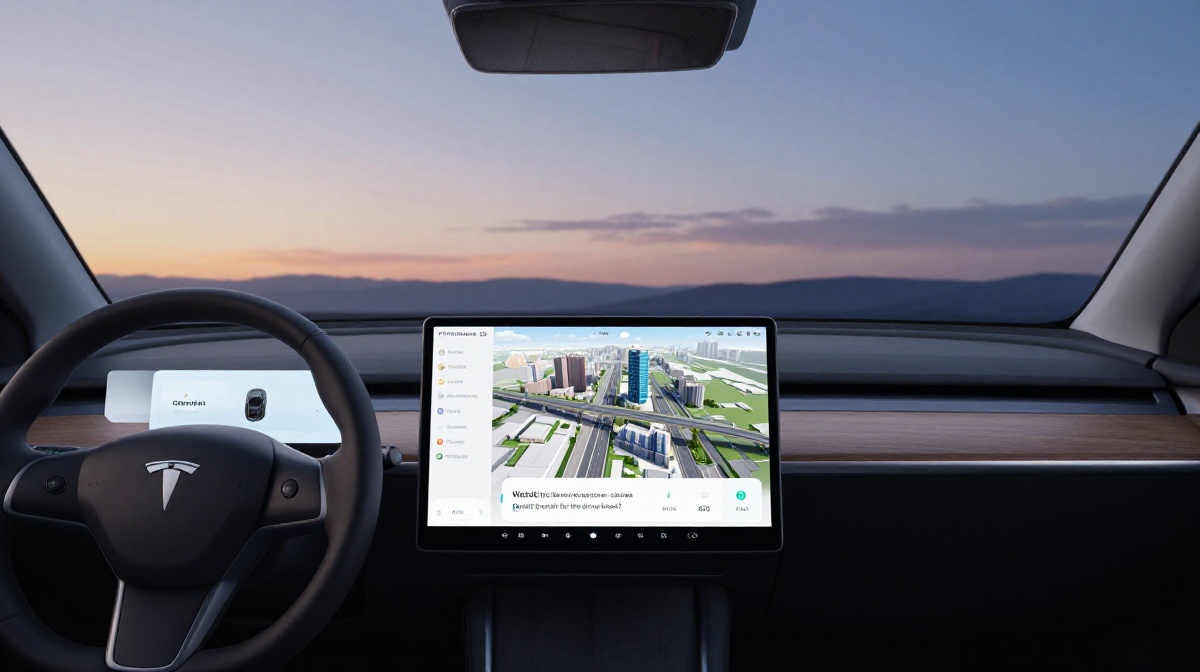
Perhaps the most surprising highlight is the evolution of Android Auto. If your car supports it, Gemini Intelligence becomes a co-pilot that can:
- Order food via DoorDash on the way home, bringing the user directly to the checkout page.
- Provide Immersive 3D Navigation, where the map view matches the buildings and overpasses seen out the window.
- Perform high-accuracy lane tracking by using the car’s front-facing camera.
- Answer vehicle-specific questions, such as “Will this TV fit in my trunk?” or “How do I turn on cruise control?” by referencing the car’s dimensions and manual.
- Support 1080p 60fps video playback (for YouTube Premium members) and Dolby Atmos audio while the vehicle is parked.
Introducing the Google Book: A New Laptop Era
Google is expanding its ecosystem with the “Google Book,” a laptop where “intelligence is the new spec”. These machines are designed to lean heavily on AI rather than raw rendering power. A unique feature is the “wiggle cursor”—wiggling the mouse activates an AI mode that allows for tasks like fusing multiple images together instantly.
The Google Book offers unparalleled integration with Android phones, allowing users to access phone storage as if it were a folder on the laptop and open mobile apps directly on the screen.
Conclusion: A New Competitive Landscape
The Android 17 and Gemini update is a clear signal that Google is no longer content to follow Apple’s lead. By focusing on reducing “boring admin” and giving creators professional-grade tools, Google is positioning itself as the more “intelligent” and versatile choice for 2026 and beyond. While the rollout will initially favour flagship Samsung and Google devices due to the power required for the Gemini Nano model, the breadth of these features suggests a fundamental shift in how we will interact with our technology.

