
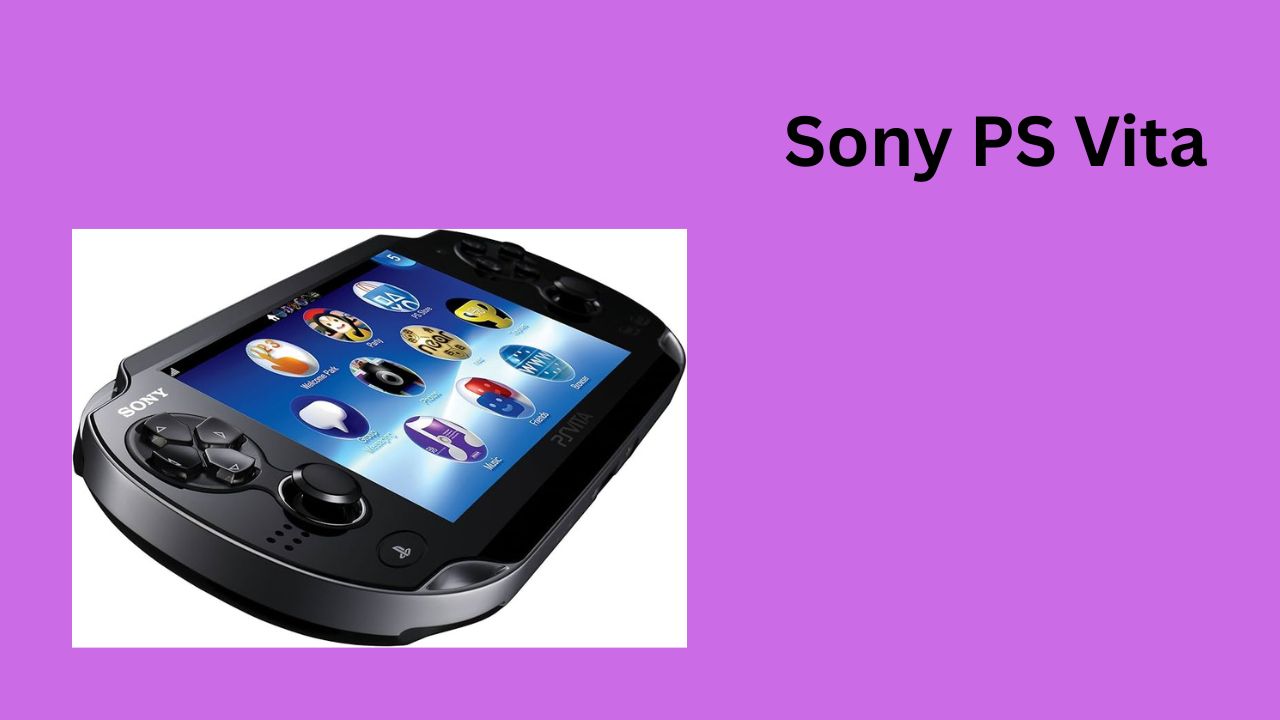
Sony PS Vita Comprehensive Review: A Hardware Giant Seeking Software Success
Six months into its lifecycle, the PlayStation Vita stands as a remarkably powerful handheld that offers a significant technological leap over its predecessor, the PSP. However, while the hardware is undeniably premium, the current ecosystem is defined by unoptimized software and a library that is still in its “early stages”.
Premium Build and Tactile Controls
The physical design of the Vita is a major upgrade. Despite being lighter than the original PSP, the device feels significantly more solid and premium in the hands. Sony has moved away from the “mushy” buttons of the PSP era, replacing them with inputs that provide a satisfying, clicky response. The dual analog sticks feature a rubbery finish that prevents slipping and they return to their neutral position perfectly. While the speakers are generally good, they can occasionally sound a little muffled.
Display: A Generational Leap
The Vita’s screen is its crowning achievement, “blowing the PSP out of the water” in terms of visual fidelity. The resolution has more than doubled, leading to a drastic increase in sharpness. Furthermore, the contrast ratio is miles ahead of previous generations.
For players revisiting their PSP library on the Vita, the system offers two specific compatibility settings:
- Bilinear Filtering: This option effectively smooths out edges on older games.
- Color Space: This setting mimics the original PSP’s color profile, though it essentially “crapens” the visuals and is generally not recommended for those who want the best image quality.
Performance Struggles and Game Library
Despite the powerful internals, many early titles suffer from poor optimization. Even flagship games like Uncharted and Wipeout 2048 do not run at the Vita’s native resolution, resulting in a blurry image. Performance issues are common across the board:
- Frame Rate Stability: Most games aim for 30 frames per second but suffer from constant drops, particularly during scenes with heavy action.
- Loading Times: Loading can be “horrendous,” with Wipeout sometimes requiring a full minute of waiting before a race begins.
- Touch Integration: While the front touchscreen is highly responsive, the rear touch panel’s utility varies. In FIFA, for instance, it is used for aiming shots, but it can be difficult to use and requires a learning curve.
The current library is thin, with FIFA (essentially a portable FIFA 12) being one of the more playable titles, though textures don’t quite match the PS3 or Xbox 360. Critics have noted that Uncharted is hampered by “twitchy” analog sticks that make control difficult.
Interface, Apps, and “Insane” Battery Life
The Vita uses an app-based interface, where even the system settings function as an individual app. One of its best features is multitasking; the console can freeze a game instantly, allowing you to jump to other tasks and return exactly where you left off. However, you cannot browse the internet while a game is running.
App performance is inconsistent:
- The Good: The YouTube and Facebook apps are highly optimized and run very smoothly.
- The Bad: The web browser and Google Maps are described as a “nightmare,” often forcing parts of the page to reload the moment you look away.
- Battery: Perhaps the most surprising feature is the battery life, which has been described as “insane,” often showing a full charge even after two hours of active use.
Final Verdict: Should You Buy?
The PS Vita is a device with massive potential, but it is currently limited by its software. If you can find a “ridiculous deal”—such as a bundle with a memory card and games for around £170—it is a worthwhile purchase. However, for most users, it may be better to wait for better-optimized titles like the upcoming Assassin’s Creed before fully committing to the platform.

