
Overview
Choosing the best satellite phone service depends on where you’re going, how reliable your connection must be, and how much you’re willing to spend each month. In 2026, three names still dominate for handheld satcom: Iridium, Inmarsat, and Globalstar. Below I break down coverage, reliability, price, and ideal use cases—so you can pick confidently without getting lost in tech jargon.
Best Overall: Iridium
-
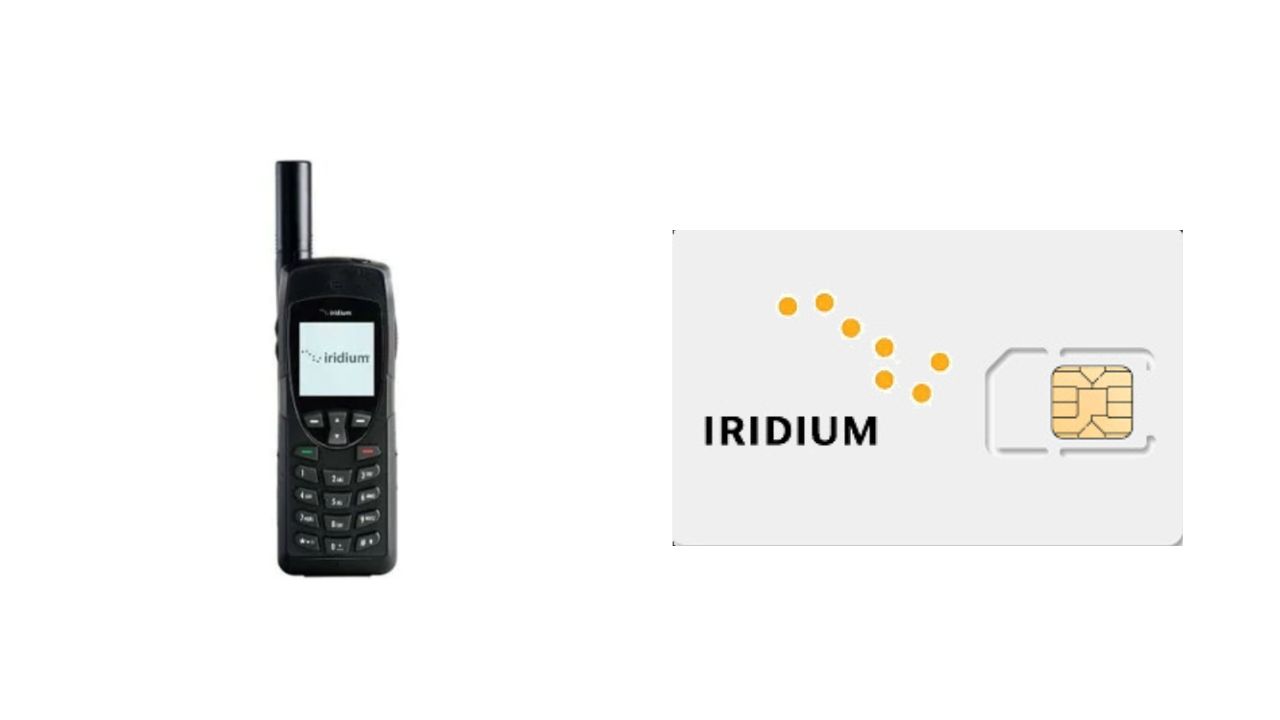
Iridium 9555 Satellite Phone + Prepaid Plan — 1 271,15 € • via Orbital Connect
-
Rating: 4.4 (487)
-
Why it stands out:
-
✅ True global coverage, including North & South Poles
-
✅ Extremely reliable—trusted by military teams, polar expeditions, and NGOs
-
✅ Supports voice, SMS, and basic data (email/light telemetry)
-
❌ Higher plan costs than competitors
-
-
Ideal for: Expeditions, disaster response, offshore work, aviation backups—any mission where coverage and uptime matter most.
-
Pro tip: Pair with an external antenna for vehicles/vessels to improve call stability in marginal conditions.
Best Alternative (Value Pick): Inmarsat
-
Inmarsat ISAT Phone Monthly Plan — 66,99 € • via Orbital Connect
-
Why it’s compelling:
-
✅ Global coverage except extreme polar regions
-
✅ Excellent voice quality thanks to geostationary satellites
-
✅ Lower monthly costs than Iridium
-
❌ Requires a clear view of the equator; obstructed horizons can hurt connectivity
-
-
Ideal for: General travel, maritime use in mid/high latitudes (outside polar extremes), field teams that value quality audio and predictable billing.
-
Pro tip: If you’ll be in canyons, dense forests, or far north/south, test signal at your exact coordinates—GEO satellites sit low on the horizon.
Best Budget: Globalstar
-
Why it’s affordable:
-
✅ Lowest monthly prices (often ~\$20–\$40/month)
-
✅ Solid for basic voice, messaging, and SOS
-
❌ Not truly global; regional gaps remain
-
❌ Very limited data support
-
-
Ideal for: Hikers, weekend adventurers, and emergency-only backup where coverage maps align with your route.
-
Pro tip: Always download offline maps and share your itinerary; budget satcom is great as a lifeline, not a primary comms tool.
Quick Comparison
-
Coverage
-
Iridium: Truly global (incl. poles)
-
Inmarsat: Global minus polar extremes
-
Globalstar: Near‑global/regional
-
-
Reliability
-
Iridium: ⭐⭐⭐⭐⭐ (mesh of LEO satellites -> consistent links)
-
Inmarsat: ⭐⭐⭐⭐ (stable but horizon-sensitive)
-
Globalstar: ⭐⭐⭐ (location-dependent)
-
-
Price
-
Iridium: $$$ (premium)
-
Inmarsat: $$ (mid‑range)
-
Globalstar: $ (cheapest)
-
-
Data support
-
Iridium: Limited (low‑bandwidth data/short burst)
-
Inmarsat: Limited (voice-first; basic data)
-
Globalstar: Very limited (primarily voice/SOS)
-
-
Best for
-
Iridium: Expeditions, remote work, aviation/marine backup
-
Inmarsat: Travel, marine, field operations outside poles
-
Globalstar: Emergencies, budget users
-
How to Choose the Right Service (SEO-friendly checklist)
1) Map your coverage first
-
Will you enter polar, oceanic, or deep backcountry zones? If yes—or if your itinerary spans continents—choose Iridium.
-
Staying within mid‑latitudes and away from the poles? Inmarsat often balances cost and quality best.
-
Moving inside Globalstar’s strong regions with budget constraints? Globalstar can be enough for voice/SOS.
2) Define reliability needs
-
Mission‑critical operations (safety, medical, logistics) warrant Iridium’s redundancy.
-
Routine travel/fieldwork with known sky views can thrive on Inmarsat.
-
Casual/hobbyist trips with backup needs fit Globalstar.
3) Budget realistically
-
Expect call costs around \$1–\$2 per minute.
-
Compare prepaid vs. monthly plans: prepaid suits seasonal expeditions; monthly plans fit ongoing use.
-
Factor accessories: spare battery, high‑gain antennas, protective cases.
4) Consider the environment
-
Dense trees, canyons, and urban canyons block line‑of‑sight. LEO constellations (Iridium) usually recover faster than GEO (Inmarsat).
-
On open ocean with clear skies, Inmarsat call quality shines.
5) Look beyond the handset
-
Check customer support hours, activation fees, rollover rules, and suspension policies.
-
Verify SOS integration (e.g., GEOS/IERCC) and whether it requires extra subscription.
Recommended Setups
-
Ultimate reliability: Iridium 9555 or Iridium 9575 Extreme + prepaid vouchers for expedition windows; add an external antenna for vehicles/vessels.
-
Value workhorse: Inmarsat IsatPhone 2 on a 66,99 € monthly plan; keep the device with a clear southern sky view in the Northern Hemisphere.
-
Budget lifeline: Globalstar device with the lowest tier plan; pair with a PLB and a power bank for redundancy.
FAQs
-
What’s the best satellite phone service overall?
-
Iridium for true global coverage and reliability.
-
-
What’s the best alternative to save money?
-
Inmarsat for strong coverage (minus poles) and better call quality at lower monthly cost.
-
-
What’s the cheapest option?
-
Globalstar, best for basic voice/SOS where coverage maps match your route.
-
-
Do satellite phones have internet?
-
Only in a very limited sense—think email, low‑bitrate data. For broadband, look to satellite messengers/hotspots or maritime/aviation terminals.
-
-
Prepaid or monthly?
-
Prepaid is ideal for seasonal or expedition use; monthly is better for ongoing operations and predictable billing.
-

