
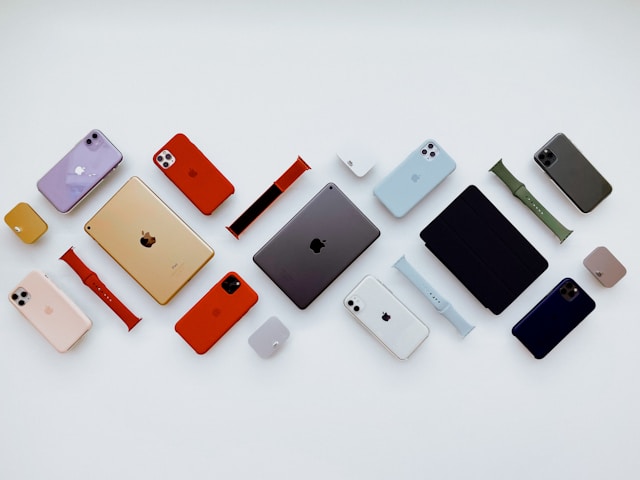
Technology has become an essential part of everyday life, and personal gadgets are at the center of this transformation. From tracking our health to managing our schedules, modern devices are designed to make life easier, more efficient, and more connected. As we move further into 2026 and beyond, the evolution of personal gadgets is accelerating, driven by advancements in artificial intelligence, connectivity, and user-focused design.
What once seemed like science fiction is now a reality. Wearable devices, smart assistants, and intelligent tools are shaping the way we interact with the world. Understanding these trends can help you stay ahead and make better decisions about the gadgets you choose to use in your daily life.
The Rise of Wearable Technology
Wearable gadgets have grown far beyond simple fitness trackers. Today’s devices are capable of monitoring a wide range of health metrics, including heart rate, sleep patterns, stress levels, and even early signs of illness.
Smartwatches and fitness bands are becoming more accurate and more personalized. They can offer insights into your lifestyle, suggest improvements, and even alert you when something seems off. For many people, these devices act as a constant companion, helping them stay active and aware of their well-being.
In the future, wearables are expected to become even more advanced. We may see devices that can monitor blood sugar levels without needles or detect health issues before symptoms appear. This shift toward proactive health management is one of the most exciting developments in personal technology.
AI Assistants Are Becoming Smarter
Artificial intelligence has significantly improved the capabilities of personal assistants. What started as simple voice commands has evolved into intelligent systems that understand context, preferences, and behavior.
Modern AI assistants can manage calendars, send messages, control smart home devices, and provide real-time recommendations. They learn from your habits, making them more useful over time. Instead of reacting to commands, these assistants are beginning to anticipate your needs.
For example, your assistant might remind you to leave early for an appointment based on traffic conditions or suggest a healthier meal option based on your dietary goals. This level of personalization is transforming how we interact with technology.
Seamless Integration Across Devices
One of the key trends shaping the future of personal gadgets is seamless integration. Devices are no longer isolated; they work together as part of a connected ecosystem.
Your smartwatch can communicate with your smartphone, which in turn connects to your home devices, car, and even workplace systems. This level of connectivity ensures that information flows smoothly across platforms, reducing the need for manual input.
In practical terms, this means you can start a task on one device and continue it on another without interruption. Whether it’s listening to music, responding to messages, or managing tasks, everything feels more unified and efficient.
Enhanced Personalization Through Data
Personal gadgets are becoming more personalized thanks to the use of data and machine learning. Devices analyze your behavior, preferences, and routines to offer tailored experiences.
This could include customized workout plans, personalized news feeds, or smart notifications that prioritize what matters most to you. The goal is to reduce information overload and focus on what truly adds value to your life.
While this level of personalization is highly beneficial, it also highlights the importance of data privacy. As gadgets become more intelligent, users must remain aware of how their data is collected and used.
The Evolution of Smart Glasses
Smart glasses are quickly gaining attention as one of the next big innovations in personal gadgets. These devices combine augmented reality with everyday functionality, offering a hands-free experience that enhances how we see and interact with the world.
Imagine walking through a new city and seeing directions displayed right in front of you, or attending a virtual meeting without needing a screen. Smart glasses aim to replace or complement smartphones by providing instant access to information in a more natural way.
As technology improves, these glasses are becoming lighter, more stylish, and more practical for everyday use. They represent a significant step toward a more immersive digital experience.
Battery Life and Charging Innovations
As personal gadgets become more powerful, battery life remains a critical concern. Fortunately, advancements in battery technology and charging solutions are addressing this challenge.
Wireless charging, fast charging, and energy-efficient components are now standard in many devices. In the future, we may see innovations like solar-powered gadgets or long-lasting batteries that require less frequent charging.
These improvements not only enhance convenience but also support sustainability by reducing energy consumption and electronic waste.
Health and Wellness at the Core
Health-focused technology is one of the driving forces behind the evolution of personal gadgets. People are increasingly interested in tools that help them live healthier, more balanced lives.
From guided meditation apps to devices that track sleep quality, personal gadgets are becoming essential for maintaining both physical and mental well-being. Some devices even offer real-time feedback, helping users adjust their habits instantly.
This focus on wellness is expected to grow, with more gadgets designed to support stress management, mental health, and overall lifestyle improvement.
Security and Privacy Considerations
As personal gadgets become more advanced, security and privacy are more important than ever. Devices that collect and process personal data must be designed with strong protection measures.
Manufacturers are now focusing on features like biometric authentication, encrypted communication, and secure cloud storage. Users are also becoming more aware of the importance of protecting their digital information.
Balancing convenience with security is a key challenge, but ongoing advancements are helping create safer and more reliable devices.
What the Future Holds
Looking ahead, the future of personal gadgets is full of possibilities. We can expect devices to become smaller, smarter, and more integrated into our daily lives. Artificial intelligence will continue to play a major role, making gadgets more intuitive and responsive.
Emerging technologies like augmented reality, advanced sensors, and improved connectivity will open up new opportunities. Personal gadgets will not just assist us—they will become an extension of how we think, work, and live.
At the same time, there will be a growing focus on sustainability and ethical design. Consumers are becoming more conscious of how products are made and their impact on the environment.
Final Thoughts
From wearable devices to AI-powered assistants, personal gadgets are transforming the way we live and interact with technology. They offer convenience, efficiency, and insights that were once unimaginable.
As innovation continues to shape this space, staying informed about new developments can help you make smarter choices. Whether you’re interested in improving your health, boosting productivity, or simply making life more convenient, the future of personal gadgets has something to offer for everyone.
Embracing these advancements is not just about keeping up with trends—it’s about enhancing your lifestyle in meaningful and practical ways.

