
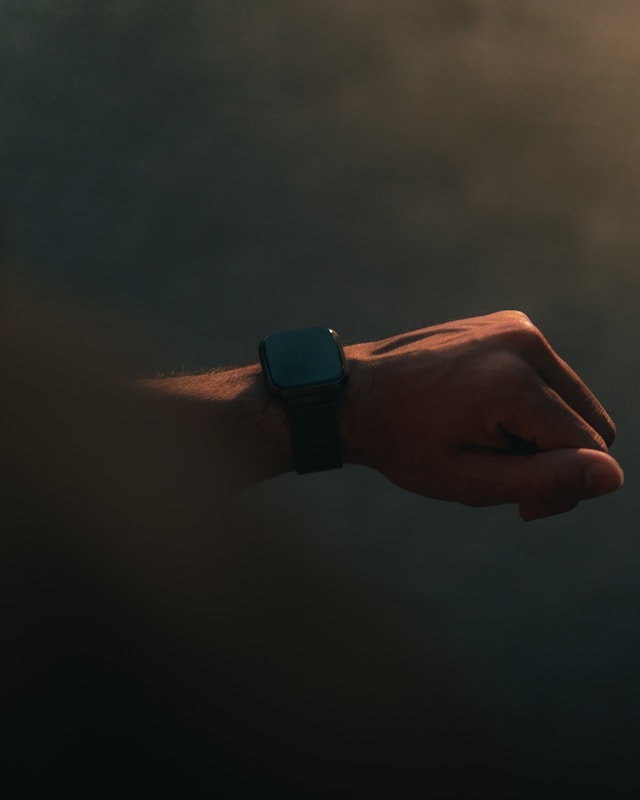
In recent years, wearable technology has revolutionized the way we monitor our bodies. From tracking steps and workouts to measuring heart rate and stress, wearables have become valuable companions in our quest for better health. One of the most impactful areas where this tech shines is sleep and wellness tracking. Quality sleep plays a foundational role in overall health—affecting mood, energy, metabolism, and even long‑term disease risk. In 2026, wearable devices are more advanced than ever, providing rich insights into sleep patterns, stress levels, recovery, and daily wellbeing. This article explores how wearable tech is changing sleep tracking and wellness, the key metrics to watch, and the best practices to get the most out of your device.
What Sleep Tracking Really Measures
Sleep tracking is more than just noting how long you slept. Modern wearables use multiple sensors—accelerometers, heart rate monitors, SpO₂ sensors, and even skin temperature detectors—to gather a comprehensive picture of your night. Here are the key elements they monitor:
Sleep Duration: This is the easiest metric to understand; it measures the total time you spend asleep. While quantity matters, duration alone doesn’t tell the whole story about sleep health.
Sleep Stages: Wearables now break sleep down into stages including light sleep, deep sleep, and REM (rapid eye movement) sleep. Each stage plays a different role: light sleep helps with memory and physical restoration, deep sleep is vital for muscle repair and immune function, and REM sleep supports emotional processing and learning.
Sleep Quality: Many devices calculate a “sleep score” based on movement, heart rate patterns, and time spent in each stage. A high score means restful, consolidated sleep, while a low score suggests fragmented or insufficient rest.
Restfulness & Movement Patterns: By tracking how often you toss and turn, wearables can identify sleep disturbances and help you understand factors like stress or discomfort that might be undermining rest.
Breathing & Oxygen Saturation (SpO₂): Advanced devices monitor breath rate and oxygen levels, identifying potential issues like sleep apnea or respiratory irregularities that may go unnoticed without testing.
Why Sleep Tracking Matters for Wellness
Understanding sleep isn’t just about seeing how many hours you logged last night. Sleep affects nearly every aspect of physical and mental health:
Recovery & Performance: Your body repairs tissues, strengthens your immune system, and balances hormones while you sleep. Wearables help you see if you’re getting enough restorative sleep to support recovery from workouts or daily stress.
Mood & Stress: Poor sleep is closely linked to irritability, anxiety, and mood disorders. By tracking patterns over time, wearables can help you correlate poor sleep with stress or lifestyle factors.
Cognitive Function: Deep and REM sleep play key roles in learning, memory, and problem‑solving. Sleep insights help you identify if your brain is getting the rest it needs.
Metabolic Health: Chronic sleep loss can affect appetite hormones, glucose metabolism, and weight regulation. Wearable data can help you notice patterns that might be influencing energy levels and diet choices.
Heart and Respiratory Health: Metrics like resting heart rate, heart rate variability (HRV), and SpO₂ provide early indicators of stress, fatigue, or breathing concerns—data that can be discussed with healthcare providers.
Top Wearables for Sleep and Wellness Tracking in 2026
Wearable technology has expanded rapidly, and many devices now offer excellent sleep and wellness features. Here are some of the most recommended options for 2026:
Apple Watch Ultra Series – Comprehensive Tracking With Smart Insights
Apple’s latest wearables deliver detailed sleep staging, continuous heart rate tracking, SpO₂ monitoring, and even temperature sensing during sleep. The Apple Health ecosystem compiles data from multiple sources to show long‑term trends. Smart algorithms help identify patterns, like how late‑night activity affects your rest, and integrate wellness features like mindfulness and stress tools.
Fitbit Sense 3 – Wellness‑Focused Sleep Analytics
Fitbit has long been a leader in sleep tracking, and the Sense 3 continues that tradition with advanced metrics like sleep score, stages, and nightly recovery insights. Its stress management tools—built‑in EDA (electrodermal activity) sensor and breathing exercises—help users understand how stress impacts sleep quality. The Fitbit app presents data in clear trends so you can make lifestyle adjustments over weeks and months.
Garmin Venu 4 – Deep Health Metrics With Body Battery™
Garmin’s Body Battery™ feature estimates energy levels throughout the day by combining sleep quality, stress, activity, and rest data. The Venu 4 tracks sleep stages, respiration, SpO₂, and HRV to give a holistic picture of daily wellbeing. Athletes love the recovery scores and sleep insights that help them balance training and rest.
Oura Ring Gen 4 – Minimalist Wearable With Powerful Sleep Insights
The Oura Ring has become famous for its commitment to sleep and recovery data. Its unobtrusive form factor makes it comfortable for all‑night wear. It tracks sleep stages, resting heart rate, HRV, temperature trends, and respiratory rate, offering personalized guidance and readiness scores each morning. Its focus on nuanced sleep patterns makes it ideal for wellness‑centric users.
Whoop 4.0 – Personalized Recovery and Performance Focus
Whoop takes a slightly different approach, focusing on daily strain, sleep performance, and recovery readiness. Instead of a traditional screen, most data is viewed in the app, where personalized recommendations help you optimize rest and activity. Whoop’s detailed sleep reports and recovery insights are popular among athletes and performance‑driven users.
Xiaomi Smart Bands & Amazfit Bands – Value‑Packed Essentials
Budget‑friendly wearables from brands like Xiaomi and Amazfit offer solid sleep tracking with heart rate monitoring, sleep stage insights, and SpO₂ measurements. While they may not be as detailed as premium counterparts, they still deliver valuable insights for users who want basic wellness tracking without a high price tag.
How to Use Sleep Data Effectively
Collecting data is only the first step. To truly benefit from wearable insights, consider these strategies:
Identify Patterns Over Time: One night of poor sleep is normal. Look at trends over weeks or months to find consistent patterns. Did your sleep quality dip after starting a new workout routine? Is it worse on nights after caffeine or screen exposure?
Link Sleep to Lifestyle Habits: Use your wearable data to test lifestyle changes. Adjusting meal timing, reducing screen time before bed, or adding gentle evening walks may produce measurable changes in sleep metrics.
Use Guided Tools: Many wearables include breathing exercises, relaxation guides, or bedtime wind‑down routines that can help your body transition into restful sleep.
Monitor Recovery Indicators: Metrics like HRV and resting heart rate provide clues about how well your body has recovered from stress or exercise. Persistent deviations can indicate overtraining, stress, or illness.
Consult Healthcare Professionals When Needed: Wearable data isn’t a medical diagnosis, but it can provide helpful context. If your SpO₂ levels are consistently low or you notice significant irregularities, discussing trends with a doctor can be proactive.
Future Trends in Sleep and Wellness Tech
As we look ahead, wearable tech is continuing to evolve:
Enhanced Sensor Accuracy: Next‑generation sensors will deliver even more precise data, including continuous blood pressure trends and more advanced skin biometrics.
AI‑Driven Personalization: AI will help wearables interpret your unique biological patterns, providing tailored advice and early warnings.
Integration With Smart Home Technology: Wearables that communicate with smart lights, mattresses, and ambient devices may create environments that help optimize sleep without user effort.
Mental Health Monitoring: Advances in stress and mood detection will further bridge physical and mental wellness, giving users a comprehensive health picture.
Conclusion
Wearable technology has transformed how we understand sleep and wellness, turning subjective experiences into actionable data. In 2026, devices offer deep insights into sleep stages, heart health, stress, recovery, and daily wellbeing. By understanding the metrics your device tracks and using trends to inform lifestyle choices, you can improve not only your sleep but your overall health. Whether you choose a premium option with advanced analytics or a budget‑friendly tracker that covers the basics, the right wearable can empower you to make informed decisions, stay motivated, and achieve healthier sleep and wellness every day.

