
Introduction
The landscape of extended reality experienced a major milestone when tech giant Apple unveiled its latest silicon refresh, introducing the base M5 chip across its hardware lineup. Alongside the iPad Pro and the 14-inch MacBook Pro, the updated apple vr headset received this next-generation processing core, transitioning from the original M2 silicon. While tech enthusiasts anticipated a complete aesthetic redesign, Apple opted for a targeted spec bump combined with an ergonomic overhaul rather than altering the core physical chassis. In this comprehensive review, we examine whether the second-generation apple vr headset overcomes the high price tag and weight complaints that defined its predecessor, while analyzing Apple’s broader strategic trajectory in spatial computing.
1. The M5 Silicon Upgrade: Spec Bump vs. Real-World Gains
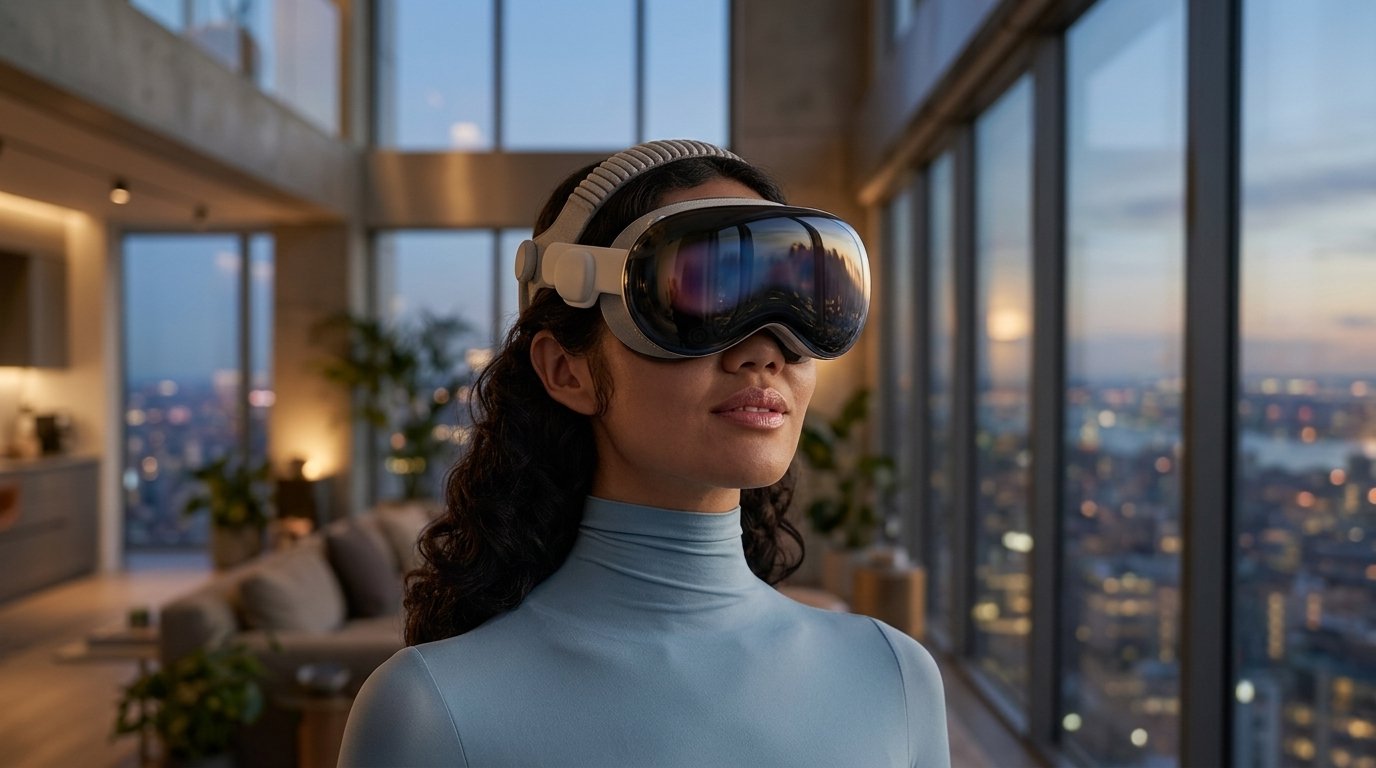
When inspecting the exterior of the updated hardware, the device appears practically indistinguishable from the first-generation model introduced two years prior. It retains the exact same dimensions, premium aluminum frame, curved front glass, Digital Crown, side buttons, speakers, and external EyeSight display. On the interior, users will find identical high-resolution micro-OLED displays offering the same field of view, powered alongside the dedicated R1 sensor-processing chip. Furthermore, the peripheral layout remains unchanged, featuring the same tethered external battery pack, thermal cooling vents, LIDAR scanner, and array of 12 external tracking cameras.
Despite keeping the outer shell static, the core engine receives a notable boost by moving directly from the M2 processor to the base M5 chip. This chip deployment aligns with Apple’s overarching silicon strategy, upgrading devices that rely on base-tier chips while higher-end chips like the Pro or Max tiers remain on previous generations for larger machines. Operating on visionOS 26, the updated apple vr headset leverages the M5 architecture to deliver several measurable performance improvements:
- Accelerated Application Loading: Applications launch noticeably faster, minimizing idle waiting time while immersed inside the spatial operating system environment.
- Enhanced Visual Rendering: The system renders approximately 10% more pixels and supports an elevated maximum refresh rate of 120 Hz compared to the original 100 Hz capability.
- Faster Spatial Photo Conversion: Transforming standard 2D still photos into immersive, three-dimensional spatial scenes occurs substantially quicker.
- Improved Thermal Efficiency: Power optimizations yield a 20% increase in overall battery life from the tethered battery pack under typical daily usage.
While these hardware tweaks refine daily interaction, day-to-day visual passthrough quality remains virtually identical due to using the exact same camera hardware and micro-OLED display panels. For an in-depth breakdown of hardware benchmarks and device comparisons, check [TheGadgetNet Spatial Tech Reviews]([suspicious link removed]) for detailed specs and performance guides.
2. Solving Comfort: Engineering the Dual Knit Band
From the moment the original hardware debuted, user feedback consistently highlighted weight distribution and facial fatigue as major friction points. The initial Solo Knit Band, while aesthetically sleek in promotional videos, pulled directly against the back of the skull without adequate vertical support. Consequently, the heavy aluminum and glass frame tended to sag onto the bridge of the user’s nose, causing discomfort after as little as ten minutes of continuous wear.
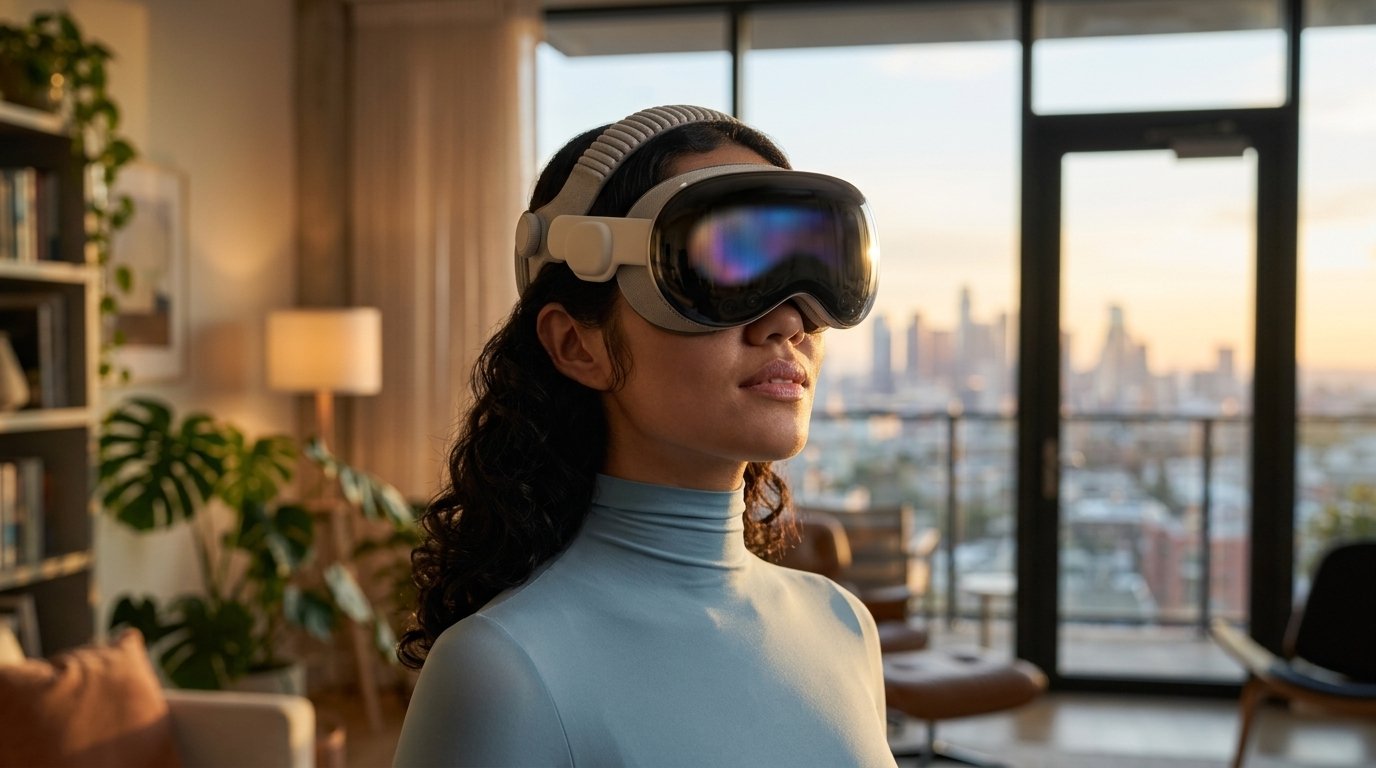
To address these ergonomic flaws, Apple spent two years engineering a replacement strap system. The result is the Dual Knit Band, which now ships as the default headstrap for every new apple vr headset. The design introduces several structural refinements aimed at balancing mass across the top and rear of the wearer’s head:
- Dual Tension Dial System: The band features an intuitive dual-action dial mechanism. Rotating the main dial adjusts rear tension, while popping the dial outward and turning it adjusts top strap tightness.
- Integrated Counterweights: Rather than relying solely on fabric tension, Apple embedded literal tungsten metal elements into the fabric rear of the headstrap.
- Weight Counterbalance Physics: Though adding tungsten metal technically increases the overall total weight stat on paper, the physical counterweight significantly reduces downward leverage on the user’s face.
In practice, this counterweight engineering transforms the wearing experience, converting a painful ten-minute limit into a comfortable, balanced session. Existing owners of the first-generation device can also purchase the Dual Knit Band separately for $99 to upgrade their current setup.
 3. Market Realities, Competition, and Consumer Usage
Despite the welcome ergonomic enhancements and silicon spec bump, the price structure remains unchanged at a steep $3,500 retail price. At this luxury price point, mainstream market adoption faces ongoing headwinds. Consumer usage telemetry over the past two years reveals that a significant portion of owners primarily use their high-end hardware for media consumption, such as watching movies on virtual giant screens, with the device frequently sitting idle between sessions. This narrow usage pattern creates friction for a product designed as a full-fledged spatial computer.
Simultaneously, the competitive landscape is undergoing a major shift. While rival tech manufacturers largely shied away from releasing ultra-premium $3,000+ headsets, Samsung has officially entered the market with its new mixed-reality headset running Android XR, developed under the moniker “Project Moohan”. Readers interested in examining official manufacturer specifications, accessories, and firmware documentation can visit [Apple’s Official Vision Pro Hub]([suspicious link removed]) for authoritative details.
The emergence of direct competition highlights the broader question facing the premium apple vr headset segment: can dedicated face-computers maintain momentum against lighter, everyday wearable devices?
4. The Strategic Pivot: Headsets vs. Lightweight Smart Glasses
The most fascinating industry trend over the past two years is the rapid acceleration of the smart glasses market relative to heavy head-mounted displays. Devices like the Meta Ray-Ban displays have demonstrated explosive growth and consumer interest by offering practical, lightweight utility. While smart glasses only provide a fraction of the high-fidelity spatial capabilities found in a full-fledged apple vr headset, they excel in real-world wearability.
Smart glasses carry a drastically lower social penalty when worn in public spaces. Users can capture first-person point-of-view media, stream open-ear audio, access artificial intelligence assistants, and receive turn-by-turn navigation without strapping an opaque visor over their eyes. This stark contrast in form factor has led to a major strategic realignment across the tech sector:
- Scrapped “Vision Pro Air” Models: Industry reports indicate that Apple has shelved plans for a lightweight, lower-cost “Vision Pro Air” successor.
- Resource Reallocation: Engineering teams and R&D capital are being redirected toward developing lightweight Apple smart glasses capable of competing in the emerging smart glasses market.
- Two Technological Paths: The industry is testing two distinct philosophies—building heavy, high-power headsets and attempting to shrink them down, versus building light smart glasses and steadily adding augmented reality capabilities upward.
For many everyday consumers, wearing a light frame with actual transparent glass and floating contextual overlays is proving far more natural than isolating themselves inside a fully sealed apple vr headset environment.
5. Final Verdict: Where Spatial Computing Goes Next
The second-generation hardware update proves that Apple remains committed to refining its cutting-edge hardware, even as consumer trends shift. The M5 chip brings welcome speed boosts, 120 Hz display responsiveness, and longer battery life, while the clever Dual Knit Band successfully solves the severe comfort issues that plagued early adopters.
However, with the price remaining at $3,500 and user behavior leaning heavily toward casual media playback, the standalone apple vr headset occupies a highly specialized niche. As smart glasses continue to capture mainstream interest, Apple’s decision to shift resources toward lightweight eyewear suggests that the ultimate destination of spatial computing may reside in everyday glasses rather than heavy face-mounted visors.
For tech enthusiasts who demand the absolute peak of visual fidelity, spatial photo generation, and multi-screen workstation computing, the current apple vr headset remains an unmatched engineering marvel—even as the broader industry prepares for the lightweight glasses revolution.

