
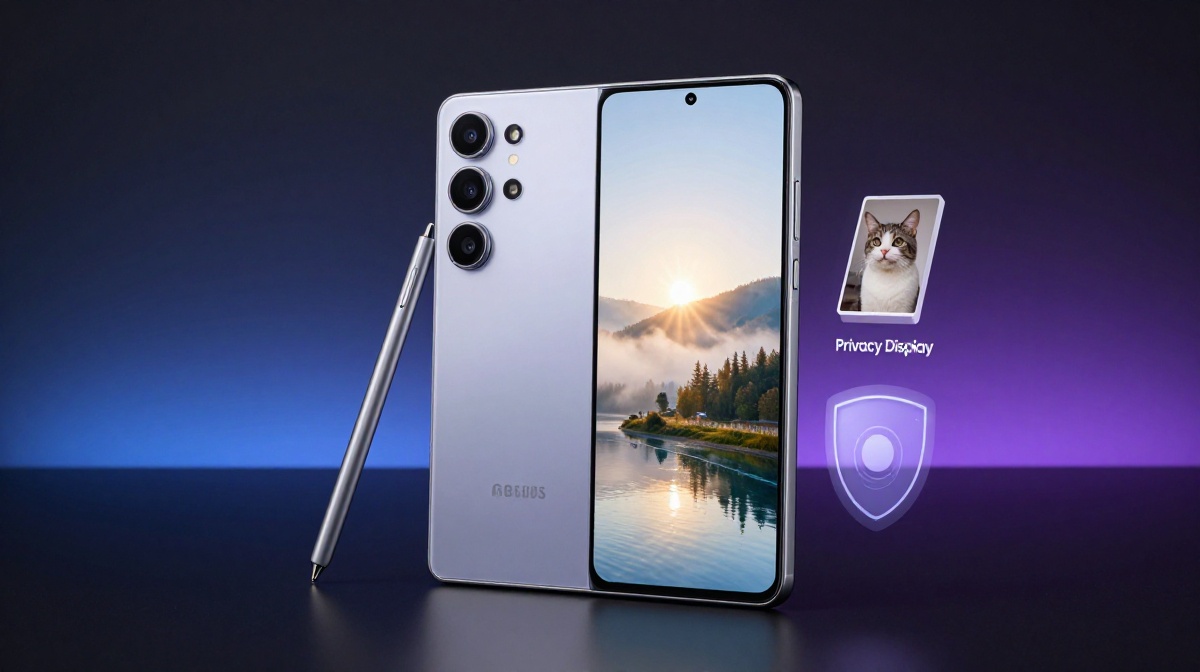
Samsung S26 Ultra Review: The “Breaking Point” for Smartphone Innovation?
The release of a new Samsung flagship used to be the undisputed highlight of the tech calendar, a moment where boundaries were pushed and the “Ultra” moniker truly felt earned. However, the Samsung S26 Ultra arrives at what can only be described as a “breaking point” for the brand. As we delve into this review at The Gadgetnet, we find ourselves at a crossroads: is Samsung still the king of the all-rounders, or has its reliance on incremental hardware tweaks and AI “magic” finally caught up with it?
At www.thegadgetnet.com, our mission is to provide you with a transparent look at the devices that shape our world. We don’t just look at the spec sheets; we look at how these devices feel in the hand and function in the real world. The S26 Ultra presents a fascinating case study in a company that seems to be “chasing value” in entirely new directions because they believe they have already “covered the basics”.
The Design Paradox: Aluminium’s Return
In a move that has left many enthusiasts scratching their heads, the S26 Ultra features a body made of aluminium again, following a brief two-year “detour” into the world of titanium. While some might see this as a regression, there is an argument for comfort. The device remains slim, comfy, and balanced, lacking the massive camera bumps seen on competitors that are large enough “to eat dinner off of”.
Samsung appears to be making “tiny little tweaks” while other brands are making “leaps”. However, for the average user, these refinements result in a device that is undeniably nice to hold. It raises a question we often ask here at The Gadgetnet: does a phone need to be revolutionary every year, or is “refined” enough?
The “James Bond” Privacy Display
One of the standout, “world-exclusive” features of the S26 Ultra is its new privacy display. Samsung is marketing this as “James Bond level tech,” designed to prevent the stranger sitting next to you on a bus from seeing your screen. While innovative, it highlights the current Samsung philosophy: adding niche features that feel futuristic, even if their daily utility for the average person—who might just be checking “which Shrek character” they are—is questionable.
Cameras: The Sharpening War vs. Real Detail
The camera remains the most contentious part of the S26 Ultra experience. On its own, the S26 Ultra takes bright, well-exposed photos that make subjects look good through subtle “face tuning” and even lighting. For many, this is exactly what they want from a smartphone.
However, when compared to “Chinese flagships” like the Xiaomi 17 Ultra, the cracks begin to show. The competition is using larger sensors to provide genuine depth and “real detail” on faces. Samsung, by comparison, often relies on oversharpening to compensate for hardware that hasn’t seen a significant overhaul in years. This “ultimate Samsung experience” is what users are likely stuck with until 2027, which feels like a “bummer” for those who want the absolute best in mobile photography.
The AI Revolution: Creative Power or “Slop”?
Samsung has doubled down on AI, offering more features than any other Android device and “infinitely more than Apple”. The capabilities are, on the surface, incredible:
- Generative Editing: Users can take a photo of a foggy morning and, with a one-sentence command, transform it into a sunny day with perfect reflections and revealed background buildings.
- Object Merging: You can “pull up any other image of a cat” and the AI will merge it into your photo, even adjusting your body’s limbs to make the interaction look natural.
- Stylized Invitations: The S26 Ultra can generate digital invitations with specific themes, such as a dinner at the Natural History Museum with “little dinosaur skeletons” in the background.
However, at The Gadgetnet, we believe in looking closer at the output. There is a “sloppy” side to this AI implementation. For instance, the wallpaper generation tool produces 1024×1024 (1 megapixel) square images, which do not match the aspect ratio or resolution of the S26 Ultra’s own high-end screen. Furthermore, every time you use AI to edit or merge photos, you take a 30% hit in resolution.
The Reality of “Automatic AI”
Samsung classifies its AI into two categories. The first is “Automatic AI”—tools designed to make daily tasks easier, such as:
- Automatic translation of messages.
- “Nudge” features that suggest actions, like sending your location when asked “where are you?”.
- Bixby’s evolution into a natural language assistant.
Unfortunately, the execution feels half-baked. The “Nudge” feature often requires “too many nudges” to work, and the new Bixby still suffers from “annoying weird limitations,” such as providing information for a restaurant in North Carolina when asked about one in London.
Is the S26 Ultra Still the “All-Rounder”?
Despite the frustrations, the S26 Ultra remains a powerhouse. It is incredibly fast, and its battery is “more than enough to last a day”. Samsung isn’t “chasing numbers” anymore; they are betting that the average user cares more about a well-rounded, reliable experience than micro-details in a zoomed-in photo.
At www.thegadgetnet.com, we see the S26 Ultra as a device in an identity crisis. It is a pinnacle of engineering that feels stagnant in its hardware, trying to mask that stagnation with AI features that range from “legitimately useful” to “fun slop”.
Final Thoughts
The Samsung S26 Ultra is the most “conflicted” flagship in years. It is a device that will delight those who want a slim, powerful, AI-heavy phone, but it may alienate the power users who have been waiting for a true hardware leap. If you are looking for the “ultimate Samsung experience,” this is it—at least for the next couple of years.
For more deep dives into the latest tech and honest reviews that cut through the marketing hype, stay tuned to The Gadgetnet.

