
The AI Plus Scandal: Unmasking the Truth Behind India’s “Sovereign” Smartphone Controversy
The Indian smartphone market, currently the second largest on earth with over 700 million users, has long been dominated by international players. For years, brands like Xiaomi, Vivo, and Oppo have held a firm grip on the landscape, creating a vacuum for a truly homegrown hero. Enter AI Plus, a brand that launched in July 2025 with a bold, nationalistic pitch: to provide India’s first “fully sovereign” smartphone, expertly engineered and built within the country. However, what began as a promising leap for Indian tech quickly spiralled into a saga of legal injunctions, allegations of rebranded Chinese hardware, and a massive controversy involving some of the tech community’s most prominent voices.
The Promise of Sovereignty and National Pride
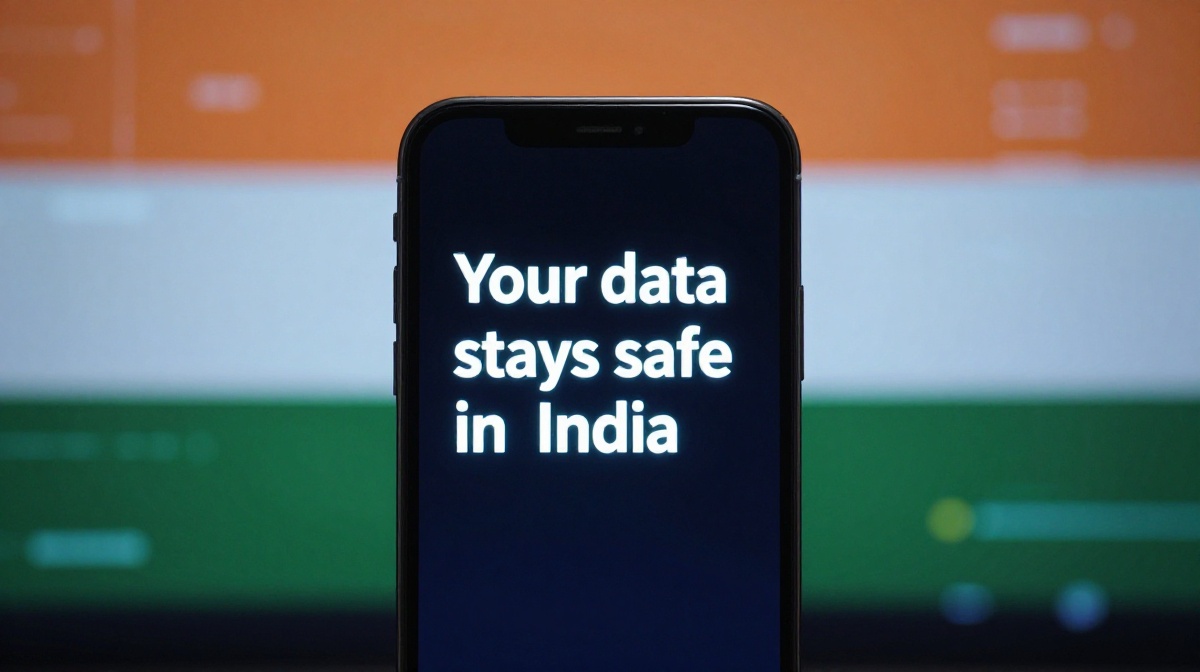
The central pillar of the AI Plus marketing strategy was the concept of data sovereignty. In a market where at least two-thirds of phones sold are Chinese-branded, AI Plus leaned heavily into the distrust stemming from border clashes and historical tensions between India and China. Their boot screens boldly proclaimed, “Your data stays safe in India,” and the company claimed their devices were “certified for government,” implying a level of security far beyond the reach of foreign competitors.
The face of this movement was Madhav Sheth, a man with a storied history in the mobile industry. Having served as a Sales Director for Oppo, co-founder and CEO of Realme, and a leader for brands like Honor and Alcatel, Sheth possessed the credentials of a tech titan. His rhetoric was fiercely anti-Chinese dominance, even going as far as releasing marketing materials—described by some as “comic book-like”—that depicted Chinese entities as unsafe compared to the “Indian hero” of AI Plus.
The First Cracks: Gyan Therapy and the Sprocom Connection
The controversy began to simmer when YouTuber Gyan Therapy conducted a deep dive into the AI Plus software, known as Next Quantum OS. Despite claims of being built from scratch in India, the OS bore a striking resemblance to Realme’s operating system. More alarmingly, the investigator discovered three pre-installed Chinese apps: Clean Assistant, Phone Clone, and Mobile Butler.
Technical analysis revealed that these apps were not merely inspired by Chinese software; they were built in China. The privacy policy for “Phone Clone” explicitly listed Sprocom Technologies, a China-based company, as the service provider. Research indicated that the package names had been altered to make the apps appear as part of the “Next Quantum OS,” yet they still functioned as data-collecting tools with direct links to Chinese servers. This discovery directly contradicted the brand’s promise that “not a shred of data” would leave Indian soil.
The ODM Model: Innovation or Rebranding?
To understand how a “Made in India” phone could be filled with Chinese software, one must look at the Original Design Manufacturer (ODM) model. Unlike Apple, which designs its products and hires contractors to build them to exact specifications, many budget brands go to ODMs. These ODMs design, engineer, and own the rights to a product; a client simply adds their logo and requests minor aesthetic variations.
Investigations into Sprocom revealed they are a Chinese ODM. Comparisons between Sprocom’s catalog and AI Plus devices showed nearly identical camera modules, display specs, and chassis designs. Furthermore, industry insiders suggest that Sprocom operates as a low-tier ODM, often cutting costs by using secondhand components, such as used memory chips sourced for a fraction of the price of new parts. This raised two critical concerns: not only was the “Indian-designed” claim questionable, but the actual hardware quality was potentially inferior to the Chinese brands AI Plus claimed to surpass.
The Explosion: Pulse 2 and the Nova Flip
As AI Plus moved into 2026 with its second wave of products, the tech community was ready. The Pulse 2 and the Nova Flip became the new targets of scrutiny. YouTuber Techweiser released a video titled “This Indian phone is a marketing disaster,” accusing the company of hiding the same Chinese bloatware they claimed to have removed. By using simple laptop commands, investigators could reveal the hidden Chinese apps still residing on the supposedly “clean” Indian devices.
The Nova Flip controversy was even more blatant. Comparisons revealed the phone was an exact hardware match for the ZTE Nubia Flip 2. Internal identifiers within the software—from the compass app to the fingerprint service—were clearly labeled with ZTE identifiers. While Madhav Sheth later claimed that ZTE was credited on the box, the mention was a tiny footnote, and the ZTE name was never mentioned during the high-profile launch event where the phone was presented as an AI Plus innovation.
The Wearbuds and the “Designed in India” Myth
The allegations extended beyond smartphones to the Wearbuds—a watch containing built-in earphones. Sheth claimed this product was “designed in India” and “patented in India”. However, a Chinese company called AI Power had been selling an identical product for years.
The most damning piece of evidence was the branding itself. A visual comparison showed that the “AI” portion of the AI Plus logo was a perfect match for the logo of AI Power. When AI Power posted on social media about a “great cooperation” with AI Plus, it further shattered the narrative of a solo Indian design effort.
The Legal War: Ex Parte Injunctions and “John Doe”
In a move that shocked the tech world, AI Plus responded to these criticisms not with counter-evidence, but with legal force. The Delhi High Court granted AI Plus an ex parte injunction against YouTubers Techweiser and Techbar. This meant the court heard only one side of the story before issuing an order to take down the videos and banning the creators from making further “disparaging” content.
A particularly controversial element of the lawsuit was the naming of “John Doe” as a defendant. In legal terms, this allowed the injunction to apply to “unnamed future critics,” effectively creating a gag order that silenced anyone else who might want to speak out against the brand. Legal experts noted that while ex parte orders are common in domestic violence cases for immediate safety, using them to suppress tech reviews is almost unheard of and highly aggressive.
Critics have accused AI Plus of using “tricks” to obtain these orders, such as naming “John Doe” as the primary defendant to bypass the need to serve notice to the actual YouTubers. Furthermore, reports emerged that the company sent legal notices to fake or unused email addresses, ensuring the creators would not be present to defend themselves in court.
The Marketing Mirage and Fake Reviews
Beyond hardware and legal battles, the AI Plus marketing engine has faced accusations of being a facade. While YouTubers were criticising the phones, the AI Plus website displayed flawless five-star reviews. Closer inspection revealed that many of these were likely fake; some were simply support questions (“Where can I buy?”) that were automatically assigned five stars, while others featured repetitive, generic praise seen across multiple platforms.
The company’s website transparency was also called into question when it was discovered that their Terms and Conditions page appeared to be a copy-paste job from a template, even including the prompt “Let me know if you’d also like a downloadable version” at the end. Additionally, promotional photos claimed to be taken on the phones were dismissed by professional photographers as being impossible to achieve with the device’s actual hardware.
Confronting the CEO: Madhav Sheth’s Defense
In a series of tense interviews, Madhav Sheth attempted to defend his brand’s reputation. When questioned about the Chinese apps, his story shifted multiple times. He first claimed they were only on “global versions” for other countries, but when confronted with evidence of Indian units containing the software, he suggested the units might have been “tweaked” or that the software “never existed”.
Regarding the “Made in India” claims, Sheth eventually admitted that the Pulse 1 was “imagined in China,” but argued that for basic 4G and 5G phones, imagining it in China or India was “one and the same thing”. He defended the aggressive legal action by claiming the YouTubers’ videos were based on “unverified claims” and that he acted in a “jiffy” (haste) out of fear of jeopardising a multi-million dollar launch.
Perhaps most notably, Sheth blamed agencies for the breakdown in communication between the brand and the creators, eventually stating he was willing to rescend the court orders. However, critics point out that this “change of heart” only occurred after the negative publicity became overwhelming and the courts began demanding his presence to answer for the “wool over our eyes”.
Conclusion: The Future of AI Plus and Tech Accountability
As of late May 2026, the legal battle continues. While Madhav Sheth has spoken of reconciliation, the videos remain down, and the next court hearing is scheduled for August. The AI Plus scandal serves as a cautionary tale for the “Made in India” movement. It highlights the fine line between leveraging national pride for marketing and the ethical requirement for transparency in manufacturing.
For consumers and the tech community, the case underscores the vital role of authentic, independent reviews. The attempt to use legal injunctions to suppress technical criticism sets a dangerous precedent that could stifle accountability in the industry. Whether AI Plus can truly move toward being a sovereign Indian brand remains to be seen, but for now, the “rebound” from this controversy may be harder to engineer than any smartphone.

