
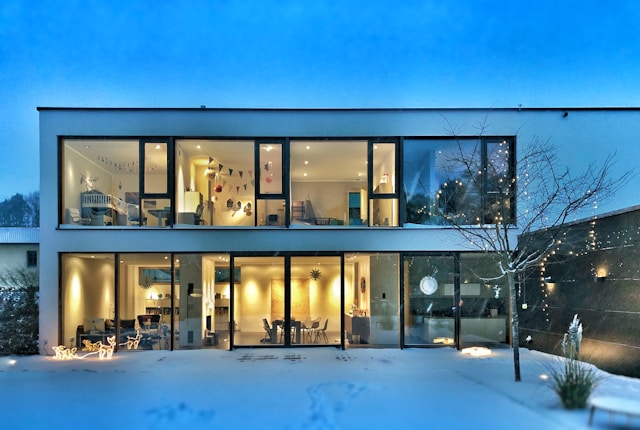
Smart lighting and home automation have become essential components of modern living in 2026. Beyond simply turning lights on and off, smart lighting systems allow you to control brightness, color, and schedules, while automation links multiple devices together to create seamless, convenient routines. By combining smart lights with other home automation tools, you can enhance comfort, security, energy efficiency, and even your mood. This guide provides practical smart lights and home automation tips to help you make the most of your connected home.
Understanding Smart Lighting
Smart lighting involves using bulbs, switches, or fixtures that can be controlled remotely via smartphone apps, voice assistants, or automated routines. Many smart bulbs allow adjustments in brightness, color temperature, and even full RGB color changes to suit different activities and moods.
Modern smart lighting systems are compatible with major platforms like Alexa, Google Assistant, and Apple HomeKit, enabling voice control and integration with other smart devices. Some bulbs also support adaptive lighting, which changes throughout the day to match natural light patterns, reducing eye strain and promoting better sleep.
Tips for Choosing the Right Smart Lights
- Compatibility: Ensure that the smart bulbs, switches, or fixtures you choose are compatible with your existing smart home ecosystem. This ensures smooth control and integration.
- Brightness and Coverage: Look at lumens ratings to select bulbs bright enough for your space. Living rooms and kitchens may need higher lumens, while bedrooms and reading areas can benefit from softer, warmer light.
- Color Options: Decide whether you want adjustable color temperature for practical purposes or full RGB color for ambiance and entertainment.
- Energy Efficiency: Most smart LEDs are energy-efficient, but it’s worth checking energy ratings to reduce electricity usage and save money.
- Connectivity Type: Wi-Fi, Zigbee, and Z-Wave are common communication protocols. Wi-Fi bulbs connect directly to your network, while Zigbee and Z-Wave may require a hub for smoother multi-device integration.
Effective Placement of Smart Lights
Proper placement of smart lights enhances both aesthetics and functionality. Here are some tips:
- Living Room: Use ceiling lights for general illumination and smart lamps for mood lighting. Accent lighting highlights art, shelves, or architectural features.
- Kitchen: Bright, cool-toned lights over counters and cooking areas improve visibility, while under-cabinet lighting adds both function and ambiance.
- Bedroom: Warm-toned smart lights promote relaxation. Consider bedside lamps or wall-mounted fixtures that can be dimmed or set on schedules.
- Outdoor Spaces: Smart floodlights or pathway lights improve security and provide convenience for nighttime activities. Motion sensors can automatically trigger lights when someone approaches.
Automating Your Smart Lights
Automation transforms smart lights from convenient gadgets into intuitive helpers. Here are some key strategies:
- Schedules: Set lights to turn on or off at specific times to match your daily routine. For example, lights can gradually brighten in the morning and dim in the evening to mimic natural light cycles.
- Motion Sensors: Motion-triggered lighting saves energy and improves safety. These are especially useful in hallways, bathrooms, and outdoor areas.
- Geofencing: Some smart lighting apps allow your lights to turn on or off when you enter or leave your home, enhancing convenience and energy efficiency.
- Scenes and Routines: Combine multiple lights and settings into a scene. For instance, a “Movie Night” scene dims living room lights and adjusts colors to create a cozy atmosphere, while a “Wake Up” scene gradually brightens bedroom lights.
Integrating Smart Lights with Other Devices
Smart lighting is more powerful when integrated with other smart home devices:
- Smart Speakers and Voice Assistants: Control lights hands-free using Alexa, Google Assistant, or Siri. Commands like “dim the living room lights” or “set bedroom lights to warm” make everyday tasks effortless.
- Smart Plugs and Appliances: Synchronize lighting with appliances. For example, lights can flash when the oven timer goes off or change color to indicate washer/dryer cycles.
- Security Systems: Integrate lights with cameras or motion detectors. Lights can flash when motion is detected outside or simulate occupancy when you’re away, improving security.
- Thermostats and HVAC: Some advanced routines adjust lighting and temperature simultaneously. For example, lights can brighten as the thermostat increases morning warmth, creating a naturally pleasant start to your day.
Energy-Saving Tips for Smart Lighting
Smart lights not only add convenience but also help save energy. Consider these tips:
- Use dimming schedules to reduce power consumption during low-activity periods.
- Enable motion detection in areas like hallways and bathrooms to avoid unnecessary lighting.
- Take advantage of adaptive lighting features that automatically adjust brightness and color temperature throughout the day.
- Replace conventional bulbs with energy-efficient smart LEDs.
Maintaining Your Smart Lighting System
Regular maintenance ensures that your smart lighting setup continues to perform optimally:
- Keep firmware and apps updated for security, stability, and new features.
- Check connections periodically to ensure bulbs and switches remain responsive.
- Replace aging bulbs or malfunctioning devices promptly to maintain consistent performance.
- Backup or document your automation routines in case you need to reset or expand your system.
Conclusion
Smart lights and home automation offer unmatched convenience, energy savings, and enhanced living experiences in 2026. By choosing compatible devices, placing them strategically, and integrating them with routines and other smart home gadgets, you can create a home that responds intuitively to your lifestyle. Automation turns everyday lighting into a dynamic and adaptable system that improves comfort, security, and efficiency.
From voice-activated commands and motion sensors to geofencing and integrated routines, smart lighting is a central pillar of a truly connected home. Following these tips ensures that your smart lights not only illuminate your space but also enhance your daily life, making your home smarter, safer, and more energy-efficient.

