
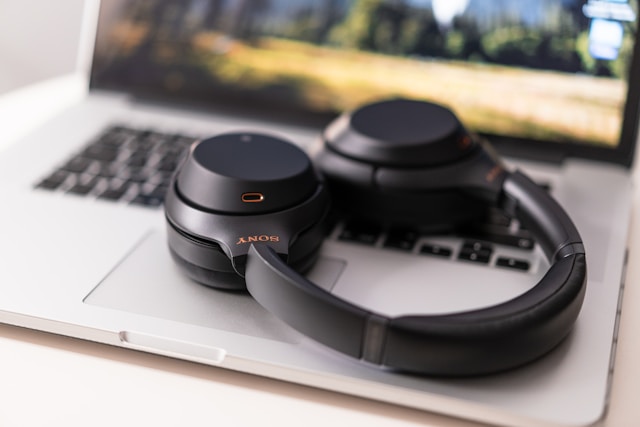
Creating a high-quality home audio setup can dramatically enhance your listening experience, whether you’re enjoying music, movies, or gaming. In 2026, home audio technology has advanced significantly, offering affordable solutions, wireless connectivity, and immersive sound systems that bring professional-grade audio into your living space. With the right combination of speakers, amplifiers, room acoustics, and streaming solutions, you can enjoy rich, clear, and dynamic sound without leaving your home. This guide explores practical ways to improve your home audio setup and get the most out of your equipment.
Assess Your Space and Listening Environment
The first step to improving your home audio setup is understanding your room’s acoustics. The size, shape, and materials in your room affect how sound travels and is perceived. Large rooms may require more powerful speakers or subwoofers to fill the space, while smaller rooms may benefit from compact speakers placed strategically.
Consider the placement of furniture, curtains, carpets, and other soft surfaces, as they can help absorb excessive reflections and reduce echo. Hard surfaces like windows, hardwood floors, and bare walls can cause sound to bounce unpredictably, so introducing rugs, curtains, or acoustic panels can significantly improve clarity. Understanding your environment ensures that your speakers perform at their best and create a balanced listening experience.
Invest in Quality Speakers
Speakers are the cornerstone of any home audio setup. Choosing the right type and quality of speakers depends on your preferences, room size, and budget. Floor-standing speakers provide powerful, full-range sound ideal for large rooms, while bookshelf speakers are versatile and perform well in smaller spaces.
For a modern, minimalist approach, consider high-quality wireless or smart speakers. Many models now deliver impressive audio fidelity, support multi-room setups, and integrate seamlessly with smart home systems. Subwoofers can add depth to your setup by enhancing low-frequency sounds, creating a more immersive experience for movies and music. Ensuring that speakers are positioned correctly—typically at ear level and angled toward the listening area—can significantly improve soundstage and clarity.
Upgrade Your Amplifier or Receiver
A powerful amplifier or AV receiver is essential to drive your speakers effectively. Modern receivers provide not only amplification but also features like digital signal processing, room correction, and surround sound decoding. Choosing a receiver that matches your speaker setup ensures that your system performs optimally without distortion or clipping.
Many receivers now offer network connectivity, enabling streaming services, multi-room audio, and app-based controls. Investing in a quality amplifier or receiver allows you to fully realize your speakers’ potential and provides flexibility for future upgrades, such as adding additional speakers or integrating a home theater system.
Optimize Speaker Placement
Proper speaker placement is critical for achieving balanced sound. Front left and right speakers should form an equilateral triangle with the main listening position. This arrangement ensures accurate stereo imaging and creates a more immersive soundstage. Surround speakers, if part of a home theater system, should be positioned slightly above ear level and behind the listening area to enhance directional effects.
Avoid placing speakers too close to walls or corners, as this can exaggerate bass frequencies and muddy the overall sound. Experimenting with placement and small adjustments can yield significant improvements, allowing you to enjoy cleaner highs, tighter mids, and controlled bass.
Consider Room Acoustics and Treatment
Even the best speakers and amplifiers can underperform in untreated rooms. Acoustic treatment helps manage reflections, resonance, and standing waves, which can distort sound quality. Adding absorption panels, bass traps, and diffusers in key areas can improve clarity, reduce harshness, and create a more natural listening environment.
For smaller setups, strategically placed rugs, curtains, and furniture can also act as simple acoustic treatments. Paying attention to room acoustics ensures that your investment in high-quality equipment delivers its full potential.
Invest in High-Quality Audio Sources
The quality of your audio files or streams directly affects your listening experience. High-resolution audio files, lossless streaming services, and properly encoded digital content provide clearer, more detailed sound than standard compressed formats.
In 2026, many streaming services offer hi-fi or lossless audio options, making it easier than ever to enjoy premium sound without investing in physical media. Connecting a dedicated digital-to-analog converter (DAC) can also improve sound quality by ensuring clean, accurate signal conversion from digital sources to your speakers or headphones.
Upgrade Cables and Connections Where Necessary
While speaker cables and interconnects do not always need to be expensive, using quality, well-terminated cables can prevent signal degradation and interference. For wired setups, ensure that your speaker and amplifier connections are secure, correctly matched for impedance, and free from corrosion.
For wireless setups, invest in speakers and receivers with stable Bluetooth, Wi-Fi, or proprietary wireless protocols to ensure uninterrupted, high-fidelity audio streaming. Minimizing interference from other devices in your home will also help maintain consistent performance.
Consider a Subwoofer for Deep Bass
Adding a subwoofer can dramatically improve your home audio setup by providing low-frequency depth that smaller speakers cannot produce. Subwoofers are particularly important for home theater setups, music with heavy bass, or gaming experiences.
Placement is important—corners can amplify bass but may create uneven sound. Experiment with different locations and use room correction or calibration tools to integrate the subwoofer seamlessly with your main speakers, achieving a cohesive and powerful soundstage.
Integrate Smart Home Features
Modern home audio setups often benefit from smart features that enhance convenience and control. Smart assistants, multi-room audio systems, and wireless streaming capabilities allow you to control volume, playback, and sources from your phone or voice commands.
Devices from major brands support integration with popular smart home ecosystems, enabling synchronized playback in multiple rooms or automation based on routines. These features add versatility, allowing you to enjoy consistent high-quality audio throughout your home without complex wiring.
Regular Maintenance and Calibration
Keeping your equipment clean and properly calibrated ensures consistent performance. Dust and debris can affect speaker diaphragms, connectors, and ventilation, potentially degrading sound quality. Regularly check connections, update firmware for smart devices, and calibrate room correction systems if your receiver or speakers offer such features.
Performing a few simple tests, such as checking stereo imaging and bass response, can help you make small adjustments that yield noticeable improvements. Maintaining your setup extends its lifespan and keeps your listening experience fresh and enjoyable.
Conclusion
Improving your home audio setup in 2026 is achievable with a combination of quality equipment, proper placement, room acoustics, and attention to detail. Investing in high-quality speakers, a capable amplifier or receiver, and audio sources enhances clarity, depth, and immersion. Attention to room acoustics, careful speaker placement, and integrating smart home features further elevate your listening experience.
Whether you’re enjoying music, watching movies, or gaming, a thoughtfully designed home audio system delivers professional-grade sound in your living space. With these steps, you can transform ordinary audio into a rich, immersive experience that brings every note, dialogue, and sound effect to life.

