
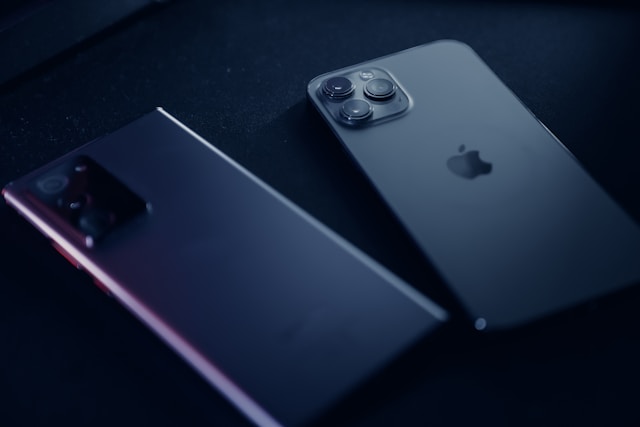
The arrival of 5G technology has revolutionized the smartphone experience, transforming how we use our devices for communication, entertainment, work, and everyday life. Unlike previous generations, 5G delivers unprecedented speeds, low latency, and enhanced connectivity, enabling features and experiences that were previously limited or impossible. In 2026, most new smartphones are designed to take full advantage of 5G networks, making this technology a critical factor in overall smartphone performance.
Faster Speeds for Streaming and Downloads
One of the most noticeable improvements 5G brings to smartphones is dramatically faster download and upload speeds. Users can stream high-resolution 4K and even 8K videos without buffering, download large files in seconds instead of minutes, and upload photos and videos to social media instantly. Flagship smartphones, with their powerful processors and optimized networking hardware, leverage these speeds to deliver smoother multimedia experiences. Budget smartphones equipped with 5G also benefit from faster internet, though the overall experience may be slightly limited by hardware performance. For gamers, 5G allows cloud gaming services to run more efficiently, offering near-console-quality gameplay on mobile devices.
Reduced Latency for Real-Time Applications
Latency, the delay between sending and receiving data, is significantly lower with 5G compared to 4G LTE. This improvement has a direct impact on real-time applications such as online gaming, video conferencing, and augmented reality (AR) experiences. Flagship smartphones with advanced 5G modems take full advantage of low latency, making online multiplayer games more responsive and reducing lag in critical moments. In professional settings, video calls and collaborative work apps benefit from smoother, more reliable connections, enhancing productivity and communication.
Enhanced Cloud Computing and AI Integration
5G networks enable smartphones to rely more heavily on cloud computing and artificial intelligence. Tasks that were previously limited by on-device processing power can now be partially offloaded to the cloud, allowing smartphones to handle complex applications without slowing down. For example, AI-powered photo and video editing apps can analyze large datasets in real-time, delivering smarter enhancements and faster processing. Virtual assistants also perform better, understanding commands more accurately and responding almost instantaneously. Flagship phones are designed to leverage this cloud-based processing, but even mid-range and budget 5G devices can experience performance improvements thanks to the network.
Improved Mobile Gaming Experience
Mobile gaming has seen dramatic improvements with the rollout of 5G. The high-speed, low-latency network allows for seamless online multiplayer experiences, quicker game downloads, and cloud-based gaming without noticeable lag. Gamers can enjoy real-time strategy games, first-person shooters, and competitive multiplayer titles on their smartphones with minimal delay. Flagship devices equipped with high-refresh-rate displays, powerful GPUs, and 5G connectivity create a near-console gaming experience on mobile, while mid-range phones benefit from reduced loading times and smoother gameplay.
Boosting App Performance and Responsiveness
Apps that rely on real-time data, such as navigation, ride-sharing, and delivery services, are more responsive on 5G networks. Maps update instantly, ride requests are processed faster, and location-based services work more accurately. Flagship smartphones optimize these processes using faster processors and better network chips, resulting in smoother multitasking and overall device performance. Even budget devices with 5G benefit from enhanced app responsiveness, making everyday tasks feel quicker and more seamless.
Enabling Advanced AR and VR Applications
5G has unlocked new possibilities for augmented reality (AR) and virtual reality (VR) on smartphones. Low latency and high bandwidth allow AR apps to overlay virtual objects onto real-world environments in real-time, while VR applications can stream immersive content without stuttering or lag. Flagship smartphones with powerful GPUs, high-resolution displays, and advanced sensors are ideal for AR/VR enthusiasts, while mid-range devices equipped with 5G can still provide engaging experiences for casual use. This technology is transforming education, retail, gaming, and entertainment, making smartphones more versatile than ever before.
Supporting Internet of Things (IoT) Devices
5G’s enhanced connectivity also improves the integration of smartphones with Internet of Things (IoT) devices. Smart homes, wearable devices, and connected cars benefit from faster and more reliable communication with smartphones. Flagship devices often act as central hubs, managing multiple IoT devices simultaneously without lag, while budget smartphones with 5G can control smart devices effectively, though possibly at a smaller scale or with fewer simultaneous connections.
Impact on Battery Life and Efficiency
While 5G provides faster connectivity and better performance, it can also increase battery consumption due to higher network demands. Modern flagship smartphones mitigate this with energy-efficient 5G modems, optimized processors, and smart power management, allowing users to enjoy 5G benefits without a significant drop in battery life. Budget and mid-range devices are improving in this area as well, with software optimizations and adaptive 5G usage modes that switch to 4G when high-speed connections are not required.
Future-Proofing Your Smartphone
Investing in a 5G-capable smartphone in 2026 ensures your device is future-proof for years to come. As networks expand and new applications emerge, including ultra-high-definition streaming, cloud-based gaming, and smart city technologies, 5G-ready devices will remain capable and relevant. Flagship smartphones provide the best experience today and in the near future, but even budget 5G phones benefit from the expanding ecosystem, offering value and performance longevity.
Conclusion
5G is not just a network upgrade; it fundamentally changes how smartphones perform in everyday use and advanced applications. From faster downloads, reduced latency, and improved gaming experiences to cloud-powered AI, AR/VR capabilities, and enhanced app responsiveness, 5G enhances every aspect of mobile computing. Flagship smartphones leverage 5G to its fullest potential, delivering unmatched performance, while budget and mid-range devices also gain significant benefits, making everyday tasks faster, smoother, and more enjoyable. In 2026, 5G is a key factor that defines smartphone performance and user experience, ensuring devices are prepared for the increasingly connected and high-speed world.

