
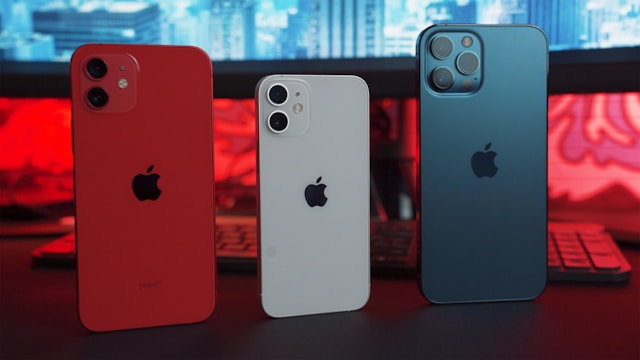
Choosing a new smartphone can be exciting, but it also brings a big decision: should you go for a flagship device or save money with a budget-friendly model? With so many options available in 2026, this question matters more than ever. Flagship smartphones promise cutting-edge features, top performance, and premium design, while budget phones focus on delivering value and essential functionality. In this article, we’ll explore the differences between flagship and budget smartphones, breaking down performance, cameras, battery life, software support, and real-world use so you can decide which is truly worth it for your needs.
What Defines a Flagship Smartphone?
Flagship smartphones represent the best that manufacturers offer each year. These devices typically come with the latest processors, beautiful displays, advanced camera systems, premium builds, and long-term software support. Flagships are designed to showcase innovation and often bundle features that trickle down to more affordable models later. When you buy a flagship, you’re investing in performance, future-proofing, and often a more polished overall experience.
What Defines a Budget Smartphone?
Budget smartphones focus on affordability, offering essential features at a friendly price point. While they may not include the high-end hardware or advanced technologies found in flagships, many budget devices deliver reliable performance for everyday tasks like messaging, social media, web browsing, video streaming, and light gaming. Manufacturers have also improved the quality of budget phones tremendously, meaning that even mid-range models sometimes challenge older flagship performance.
Performance: Speed and Power
One of the biggest differences between flagship and budget phones lies in performance. Flagship devices are equipped with the most powerful processors available, such as top-tier chipsets from Qualcomm, Apple, or media tech brands. These processors handle demanding tasks, heavy multitasking, and high‑end gaming without strain. If you use your phone for productivity apps, advanced editing tools, or intensive games, a flagship will feel noticeably faster and smoother.
Budget smartphones, on the other hand, use mid‑range or entry‑level processors. These are great for everyday tasks like browsing social media, watching videos, and handling calls, but they can struggle with sustained heavy workloads or high graphics settings in games. Many budget phones now include optimized software that makes everyday use feel smooth, but the gap in raw power remains clear when pushing the phone to its limits.
Display and Design Quality
Flagship phones often lead the way in display technology. They use high‑resolution screens with rich colors, high refresh rates, and excellent brightness levels optimized for outdoor visibility. Premium materials like glass and metal frames give a more solid and luxurious feel. These displays deliver immersive experiences for movies, gaming, and photography.
Budget phones may use decent LCD or AMOLED screens, but they typically don’t match flagship quality in brightness, color accuracy, or smoothness. Refresh rates, while improving across the board, may also be lower than premium models. If you watch a lot of videos or play games with complex visuals, the display difference can be noticeable.
Camera Capabilities: Everyday vs Professional Results
Flagship smartphones push the boundaries in mobile photography. They include advanced multi‑lens camera systems with larger sensors, optical image stabilization, powerful zoom capabilities, and sophisticated computational photography. Whether you’re shooting portraits, night scenes, landscapes, or videos, flagships deliver consistently detailed and vibrant results. Low‑light performance, accurate colors, and sharpness are often noticeably better than what budget phones offer.
Budget devices have improved camera quality significantly in recent years, and many offer respectable results for casual photography. They are perfectly capable of capturing good shots under well‑lit conditions, and some even include useful modes like portrait and night photos. However, in challenging lighting or professional scenarios, the difference is often clear. If photography matters deeply to you, flagships offer a real return on investment.
Battery Life and Charging
Battery life depends on many factors, such as screen size, optimization, and processor efficiency. Flagship phones generally pack larger batteries and use more efficient hardware and software optimization to deliver all‑day battery life even under heavy use. Many also include extremely fast charging, wireless charging, and reverse wireless charging. These features add convenience but can also increase the overall cost.
Budget phones often include good battery capacity for their price, and their simpler hardware draws less power in basic tasks. This means many budget smartphones can last a full day with normal use. However, fast charging speeds may not be as impressive, and wireless charging is usually absent. For many users, the battery performance in budget devices is perfectly acceptable.
Software Support and Longevity
Software updates are a critical part of smartphone ownership. Flagship devices tend to receive long‑term software support from manufacturers, including major operating system upgrades and security patches. This means your flagship phone stays secure and up to date for several years, extending its usable life.
Budget smartphones vary in software support. While some manufacturers now offer extended support even for mid‑range phones, others provide shorter update cycles. If you plan to keep your phone for many years, this is an important consideration. A flagship with longer support can feel like a better long‑term investment.
Value for Money: What Do You Actually Need?
When deciding between a flagship and a budget smartphone, a key question is: What do you actually need from your phone? For many people, modern budget devices deliver all the performance required for everyday use. Messaging, browsing, social media, streaming shows, and casual games run smoothly on devices that cost significantly less than premium flagships.
However, if you’re someone who uses intensive apps, takes professional‑quality photos, plays graphics‑heavy games, or expects the longest possible software support, flagship phones deliver features that budget devices simply cannot match. They also retain resale value better, which can offset part of the initial investment if you plan to upgrade frequently.
Real‑World Scenarios: Who Should Choose What?
If you’re a student, casual user, or someone who primarily uses a phone for communication and media consumption, a budget or mid‑range device may be worth it. You’ll enjoy modern performance without paying for features you may never use. Phones in this category now offer great battery life, good displays, and capable cameras for everyday snapshots.
If you’re a professional, content creator, or power user who needs top performance, photography excellence, and long‑term software support, investing in a flagship will pay off. Flagships are designed to handle future demands and deliver premium experiences in almost every category.
Trends in 2026: Improving Budget Phones
One of the biggest developments in 2026 is how strong budget smartphones have become. Manufacturers have shifted focus, bringing features once exclusive to high‑end models—like fast charging, large OLED screens, and capable camera systems—to more affordable prices. Mid‑range devices now make compelling alternatives for many users who want a balanced mix of performance and value.
Final Verdict: Is a Flagship Worth It?
Ultimately, both flagship and budget smartphones are worth it in different ways. Flagship devices deliver top‑tier performance, advanced technology, and future‑proofing. Budget phones deliver exceptional value and dependable performance for everyday use. Your choice depends on your personal needs and priorities. If you want the best possible experience with all the latest technology, flagship phones are worth the investment. But if you value smart spending and day‑to‑day practicality, budget smartphones offer incredible value that satisfies the needs of most users in 2026.
This comparison should help clarify what each category offers and assist you in choosing a smartphone that makes sense for your lifestyle, budget, and expectations. Whatever you choose, the improvements in smartphone technology have made even affordable devices capable companions for daily life in 2026.

