
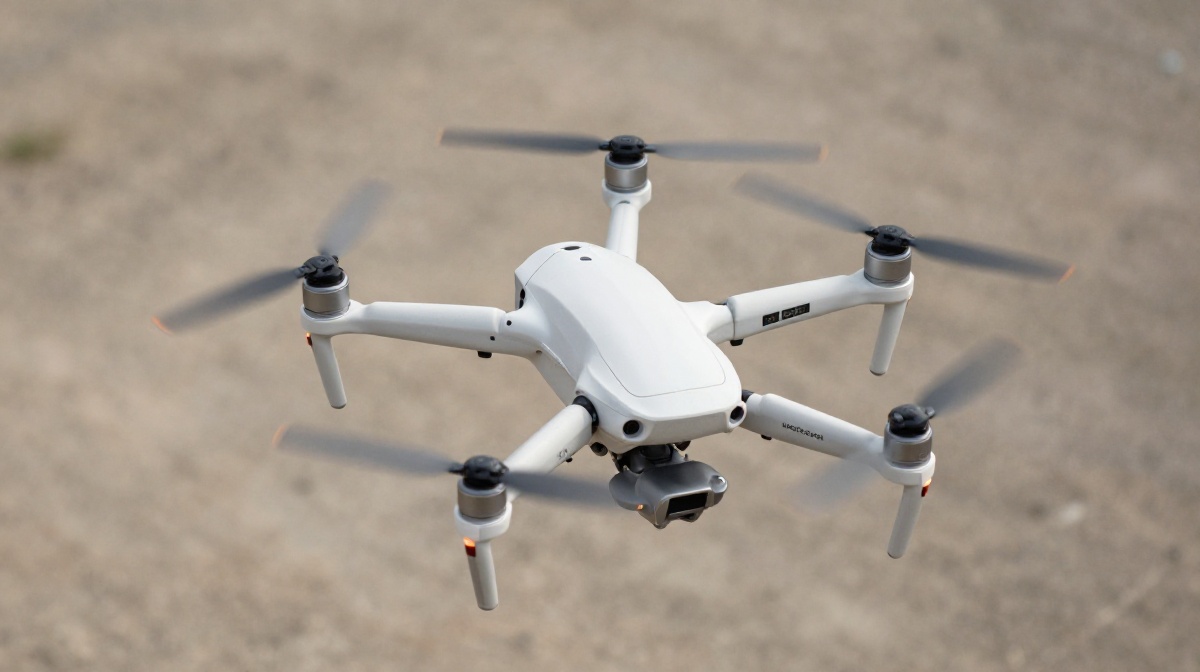
Drones have transformed the way we see and capture the world. Once niche gadgets for hobbyists or professionals, they’re now mainstream tools for stunning aerial photography, cinematic video, outdoor recreation, and even mapping and exploration. In 2026, drones are more intuitive, safer, and capable than ever before — offering advanced features like obstacle avoidance, AI tracking, extended flight times, and incredible image quality. Whether you’re an aspiring content creator or simply enjoy flying for fun, this guide highlights the best drones for photography and recreation and what makes each one worth considering.
What Makes a Great Drone for Photography and Recreation?
Before diving into specific models, it’s helpful to understand what separates a good drone from a great one:
Image and Video Quality: A drone’s camera — including sensor size, resolution, and stabilization — determines how clear and dynamic your aerial footage will be.
Flight Performance: Stability in wind, flight speed, and precise controls all affect how easy and reliable the drone is to fly.
Safety Features: Obstacle sensing, GPS return‑to‑home, and geofencing help prevent crashes and make flying safer, especially for beginners.
Battery Life: Longer flight times allow for extended shoots and exploration without frequent returns to recharge.
Portability and Ease of Use: Foldable designs and simple setup features make drones easier to take on adventures and start flying quickly.
With those priorities in mind, here are some of the top drones for photography and recreation in 2026.
1. DJI Air 4 – Best All‑Around Photography Drone
The DJI Air 4 continues to lead as a top choice for most aerial photographers and recreational users. It balances high‑quality imaging, intelligent flight modes, and portability in a compact, foldable design. Equipped with a large sensor capable of capturing breathtaking 4K or higher video and detailed photography, this drone is ideal for landscapes, travel footage, and cinematic shots.
Advanced flight features like ActiveTrack, Waypoint navigation, and automatic obstacle avoidance make it easy to capture complex shots, even if you’re not an experienced pilot. With extended flight time (often 30 minutes or more per battery) and a robust transmission system, the Air 4 delivers reliable performance in most conditions.
2. DJI Mini 4 Pro – Best for Portability and Ease of Use
For travel lovers and recreational users who want a lightweight, no‑license‑required drone (in many regions), the DJI Mini 4 Pro is a standout choice. Weighing under 249 grams in most configurations, it often avoids strict drone registration requirements while still delivering impressive image quality.
Despite its small size, the Mini 4 Pro features a capable camera with excellent stabilization and intelligent shooting modes like QuickShots and MasterShots — automated flight paths that capture smooth, cinematic clips with minimal effort. Its compact form factor makes it perfect for hikers, explorers, and content creators on the go.
3. Autel Robotics EVO II Pro – Best for Professional‑Level Capture
If you want the absolute best image quality and flexibility for photography and videography, the Autel EVO II Pro deserves attention. With a larger sensor and adjustable aperture, this drone captures stunning 6K or even 8K video and detailed stills suitable for professional projects.
Its advanced flight systems include multi‑directional obstacle avoidance and robust GPS tracking. Longer battery life and superior wind resistance make it reliable for demanding conditions. While slightly larger than mini drones, its performance and image quality make it a great choice for filmmakers, photographers, and serious enthusiasts.
4. Autel Robotics EVO Nano+ – Best for Recreational Flyers on a Budget
For entry‑level hobbyists or anyone who wants an affordable drone without compromising core features, the Autel EVO Nano+ offers impressive capability. Compact and lightweight, it still includes a quality camera with good stabilization and smart modes like follow‑me, orbit, and waypoint flight planning.
Its ease of use makes it ideal for beginners, while the durable build and intuitive controller provide confidence for casual flying and everyday aerial photography. Battery life is solid for its class, and safety features keep flights smooth and predictable.
5. Skydio 2+ – Best for Autonomous Tracking and Intelligent Flight
For users who want advanced tracking and intelligent flight behavior, the Skydio 2+ is a standout drone. Its AI‑driven navigation and 360‑degree obstacle avoidance allow the drone to follow subjects with precision while avoiding hazards — great for action shots like biking, skiing, or running.
The Skydio 2+ uses AI to understand its environment, making it one of the simplest drones to fly in complex spaces. Its tracking capabilities are among the best available, meaning you can focus on the subject while the drone handles the flight path. This makes it ideal for dynamic recreation, sports capture, and outdoor adventures.
6. Parrot Anafi Ai – Best for Versatility and Connectivity
The Parrot Anafi Ai is known for its unique connectivity and versatile imaging capabilities. Supporting 4K HDR video and a flexible gimbal that tilts up and down, it allows creative angles that other drones struggle to capture. Its strong AI features assist with subject tracking and automated shooting modes.
The Anafi Ai’s secure OcuSync‑like connection ensures stable live video feeds and controls, while its foldable form factor keeps it easy to travel with. This drone is a balanced blend of creativity and performance, ideal for creators who want design flexibility without a huge price tag.
7. PowerVision PowerEgg X – Best for Water and Unique Shooting Modes
If your adventures involve water, beaches, or outdoor recreation near lakes or oceans, the PowerVision PowerEgg X offers a remarkable twist: it can handle aquatic environments with optional waterproof accessories. This drone can hover above water safely and deliver unique footage that other drones can’t capture.
Additionally, it doubles as a handheld gimbal camera when detached, making it a versatile tool for vloggers, travelers, and multimedia creators who want flexibility in how they shoot.
Tips for Choosing the Right Drone
When selecting a drone, consider these factors based on your goals:
Camera Quality: If photography and cinematic video are your primary goals, prioritize drones with larger sensors, adjustable apertures, and higher resolution.
Portability: Lightweight, foldable drones like the Mini 4 Pro are ideal for travel and daily carry.
Autonomy and Safety: For beginners or action shooting, AI‑driven obstacle avoidance and tracking make flying safer and more intuitive.
Regulatory Requirements: Be aware of regional drone regulations, including weight limits and flight restrictions, before purchasing or flying.
Battery Life and Spare Batteries: Longer flight times allow more shooting flexibility. Consider purchasing spare batteries for extended sessions.
Conclusion
Whether you want to capture stunning aerial photography, enjoy dynamic recreational flying, or explore creative video production, drones in 2026 offer options for every level and budget. Compact drones like the DJI Mini 4 Pro and Autel EVO Nano+ are perfect for travel and casual creators, while advanced models like the DJI Air 4, Autel EVO II Pro, and Skydio 2+ deliver professional‑level imaging and intelligent flight.
Innovations in obstacle avoidance, AI tracking, portability, and camera quality have made drones more accessible and capable than ever before. As you start planning your next adventure or creative project, choosing the right drone can unlock perspectives and content that were once impossible — bringing the world into sharper focus from above.

