
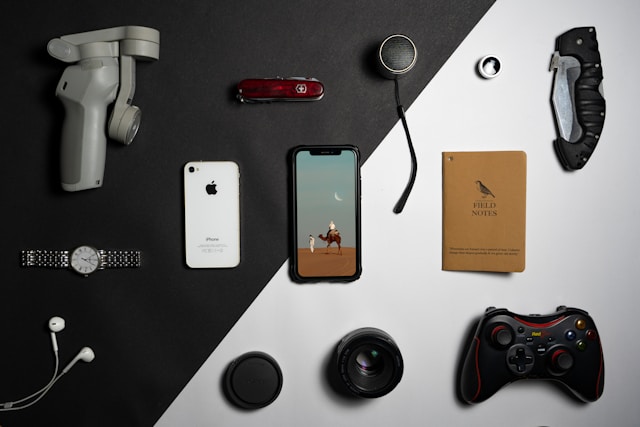
Artificial intelligence (AI) has moved beyond science fiction into real, everyday technology that makes life smarter, easier, and more personalized. In 2026, AI‑powered gadgets aren’t just cool — they transform how we work, play, learn, and interact with our homes and devices. From smart assistants that predict your needs to health devices that track your body in real time, AI is woven into the fabric of modern gadgets. This article explores the AI‑powered gadgets you need to know about, why they matter, and how they improve your daily life.
AI Smart Speakers and Displays – More Than Voice Control
AI smart speakers and displays are no longer limited to setting alarms or playing music. Today’s models use advanced machine learning to understand context, anticipate needs, and help manage daily activities. These devices can identify individual voices, personalize responses, learn your preferences over time, and even schedule tasks based on your behavior patterns.
Smart displays add visual feedback to voice assistants, making it easier to view reminders, control smart home devices, watch recipes, or join video calls hands‑free. With built‑in cameras and AI processing, they can also recognize faces and adjust routines automatically — for example, dimming lights and lowering volume when you’re winding down for bed.
AI‑Enhanced Smartphones – Smarter Cameras and Smarter Experiences
Smartphones have become one of the most common AI‑powered gadgets. Beyond processing power and sleek designs, AI now drives core features:
• AI Camera Enhancements: Modern smartphone cameras rely on AI to recognize scenes, optimize lighting, enhance portrait depth, and apply real‑time effects. Night photography, motion tracking, and automatic subject isolation are all powered by smart algorithms that improve images without manual tweaking.
• Adaptive Performance: AI helps phones manage battery, CPU, and memory intelligently based on usage patterns. Tasks you do most often get prioritized, while rarely used apps are throttled to conserve power.
• Natural Language Processing: Built‑in assistants understand conversational speech, translate languages in real time, and generate summaries — making interactions feel more natural and human.
AI on phones continues to refine experiences without user effort, turning raw hardware into adaptive, intuitive tools.
AI Wearables – Personalized Health Insights
AI has been a driving force behind the next generation of wearables. Smartwatches and fitness bands now do far more than count steps or heart rate. They apply AI to analyze data, detect trends, and even alert users to health irregularities before they become serious concerns.
Advanced wearables measure metrics like heart rate variability (HRV), blood oxygen saturation (SpO₂), skin temperature, sleep quality, and stress levels. AI algorithms interpret these signals to provide personalized guidance, recovery insights, and wellness suggestions. Some gadgets can predict fatigue levels, stress responses, and optimal workout timing based on your body’s rhythms.
Beyond fitness tracking, mid‑2020s wearables often include fall detection, irregular heartbeat alerts, and guided breathing exercises — all backed by machine‑learned models that adapt to your unique patterns.
AI Smart Home Devices – Automation That Learns You
AI isn’t just in robots or phones — it’s in your home. Smart thermostats, lighting systems, cameras, and appliances now use AI to automate routines in ways traditional automation could not.
• Smart Thermostats: These devices learn your schedule, comfort preferences, and seasonal patterns. They optimize climate control for energy savings while keeping your home comfortable, even adapting in real time to weather changes.
• AI Lighting: Lighting systems now adjust brightness and color temperature based on time of day, activity, or mood. Some learn from your habits and suggest lighting scenes that fit your routines.
• Security Cameras: AI‑driven cameras can differentiate people from pets, vehicles, and shadows to reduce false alarms. Advanced models track unusual activity patterns and sync with lighting or alarms to deter intruders.
• Smart Appliances: Refrigerators with AI inventory tracking can remind you to use expiring food or suggest recipes. Ovens and cookers use AI to auto‑adjust cooking profiles for complex dishes, ensuring consistent results every time.
Smart homes in 2026 blur the line between reactive gadgets and proactive assistants that adapt to your life.
AI Robots – Helpful, Social, and Practical
AI robots have shifted from curiosities to useful companions and helpers. Today’s robots are far more capable, with AI enabling them to navigate environments, recognize objects, and interact meaningfully with humans.
Home robots can perform tasks like cleaning, fetching objects, monitoring rooms, and even engaging in simple conversations. Advanced models use machine learning to improve performance over time. For example, a robot vacuum doesn’t just map your home — it learns obstacles, predicts traffic routes, and schedules cleaning when rooms are empty.
Some robots offer social interaction, companion support, and even therapeutic engagement. These AI companions can remind you about appointments, play music, read news, and adapt their behavior to match your preferences and tone.
AI Computers and Laptops – Smarter Work and Creativity
AI isn’t limited to mobile devices — it’s built into many modern computers and laptops. From hardware‑accelerated neural engines to AI‑assisted workflows, these machines boost productivity in significant ways:
• AI Writing and Creativity Tools: Built‑in models help with writing, editing, design, and idea generation. Whether you’re drafting reports, creating presentations, or editing videos, AI assistance speeds up workflows and elevates results.
• Performance Optimization: AI manages system performance in real time, maximizing efficiency for demanding apps while conserving battery and lowering heat.
• Security and Privacy Protection: Modern AI enhances threat detection, scans for suspicious behavior, and protects against emerging malware without constant user intervention.
Computers and laptops in 2026 are less about raw specs and more about how smart hardware and software work together to make your tasks easier and faster.
AI Headphones and Earbuds – Sound That Adapts to You
AI has transformed audio gear, making headphones and earbuds more intelligent than ever. Features include:
• Adaptive Noise Cancellation: AI analyzes ambient sound and adjusts noise cancellation dynamically, so traffic, chatter, or sudden loud noises are filtered more effectively.
• Personalized Audio Profiles: These gadgets can analyze your hearing sensitivity and tailor equalization to match your ears.
• Context‑Aware Modes: AI can detect when you’re speaking or when you need environmental awareness and automatically switch modes to suit the situation.
Whether you’re commuting, working, or relaxing, AI‑enhanced audio gear delivers richer, more personalized sound.
AI Cameras and Imaging Devices – Capture Like a Pro
AI has revolutionized photography and videography. Smart cameras and lenses now include:
• Scene Recognition: AI detects subjects, lighting conditions, and movement to auto‑adjust settings for perfect shots.
• Real‑Time Editing: Some devices apply corrections on the fly — reducing noise, sharpening details, and even editing backgrounds without post‑processing.
• AI Zoom and Focus: Intelligent tracking keeps moving subjects sharp, while AI‑driven zoom algorithms maintain clarity at higher magnifications.
Whether you’re a casual snapshooter or a creative professional, the latest AI cameras ensure stunning results with minimal effort.
AI Health Devices – Smarter Monitoring and Early Detection
AI in healthcare gadgets has become a vital part of personal wellness. Wearables and dedicated devices now use machine learning to detect anomalies that humans often miss. Some smart scales, blood pressure monitors, and sleep trackers use AI to analyze trends, provide predictions, and suggest lifestyle changes based on data over time.
Certain devices can alert you and your healthcare provider if unusual patterns emerge — such as irregular heart rhythms, sudden changes in sleep quality, or abnormalities in vital signs. This kind of proactive monitoring can lead to earlier intervention and better health outcomes.
AI Apps and Smart Assistants – Personalized Everyday Support
It’s not just hardware — software AI plays a huge role too. AI‑driven applications help with planning, organizing, learning, and creativity. Smart writing assistants refine tone and structure, smart calendars optimize schedules based on priorities, and AI tutors adapt lessons to your strengths and weaknesses.
Voice assistants have become more conversational and context‑aware, linking different parts of your digital life so you can complete complex tasks with simple spoken commands.
How to Choose AI Gadgets That Fit Your Life
When exploring AI‑powered gadgets, consider these factors:
• Use Cases: Identify what problems you want to solve — productivity, entertainment, health, or smart home control.
• Ecosystem Compatibility: Choose gadgets that integrate with the platforms you already use (Android, iOS, PC, smart home systems).
• Privacy and Security: AI devices collect data to learn and adapt — review privacy policies and opt for products with strong encryption and user control over data.
• Upgrade Path: Look for devices with frequent updates, as AI features improve significantly through software.
Conclusion
AI‑powered gadgets in 2026 are transforming the way we interact with technology. They don’t just respond to commands — they learn your habits, anticipate your needs, and adapt intelligently to your lifestyle. From AI smart speakers and wearable health trackers to advanced imaging devices, robots, and smart home systems, these gadgets make everyday tasks easier, more efficient, and far more personalized.
As AI continues to evolve, the gadgets we use will become even more intuitive, capable, and integrated into our lives. Choosing the right AI‑powered devices not only enhances convenience and performance today but sets you up for smarter, more adaptive technology in the future.

