
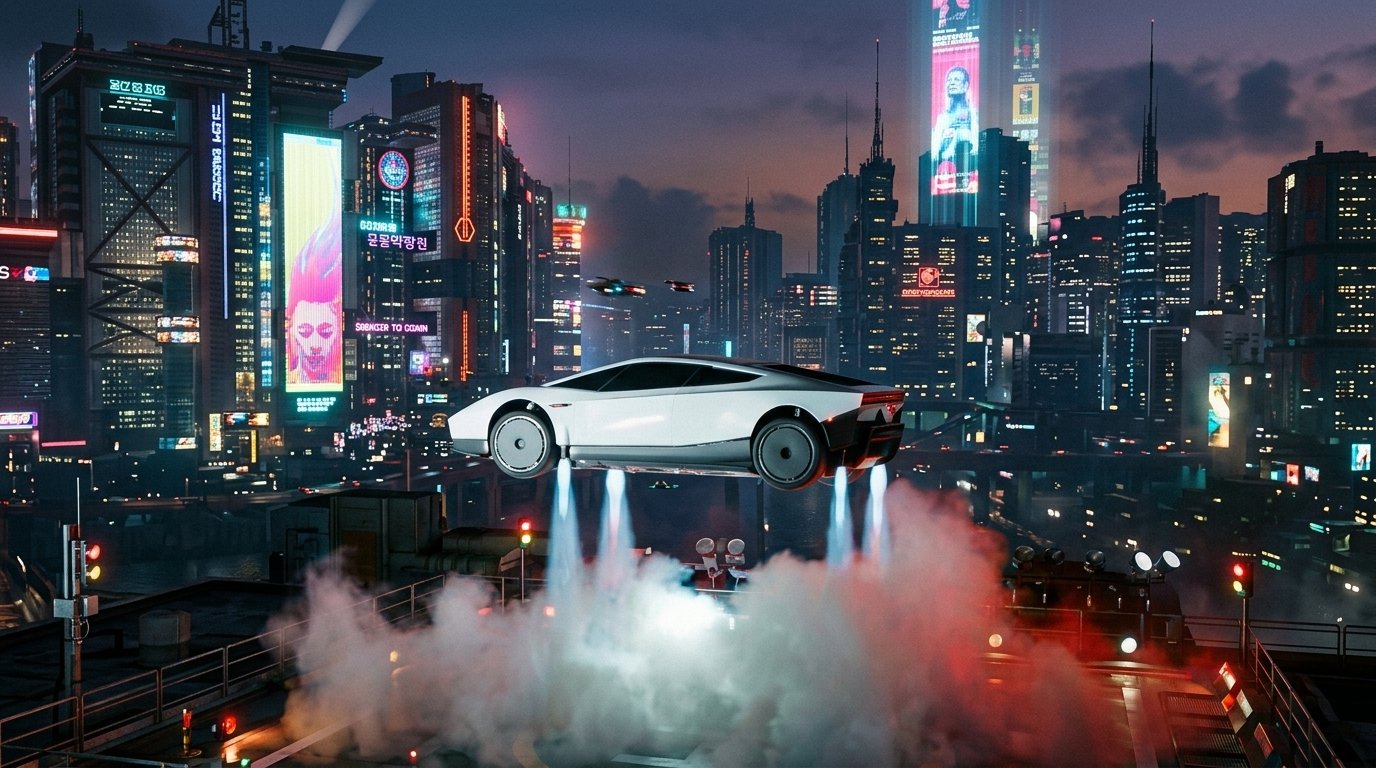
The New Tesla Roadster
Tesla recently captivated the automotive world with an extravagant product demonstration showcasing the new tesla roadster. The event featured jaw-dropping stunts, including a vehicle driving up a wall, hanging upside down, and performing an autonomous midair flip. While these visual displays generated massive headline attention, they also served to obscure the actual specs, engineering realities, and long-standing development delays behind the vehicle.
A Radical Cyber-Inspired Redesign
The updated vehicle looks completely different from the prototype originally unveiled back in 2017. Shifting away from the organic supercar curves of the previous iteration, the new tesla roadster adopts a sharp, cyber-inspired aesthetic reminiscent of a modern Lamborghini combined with Cybertruck design cues. It features minimal angular lines, slot headlights, upward-swinging dihedral doors, and prominent light bars across the front and rear. Despite these dramatic visual updates, reviewer Marques Brownlee noted that abandoning the earlier prototype means years of prior development were essentially scrapped in favor of this latest iteration.
Four Tiers of Mind-Bending Performance
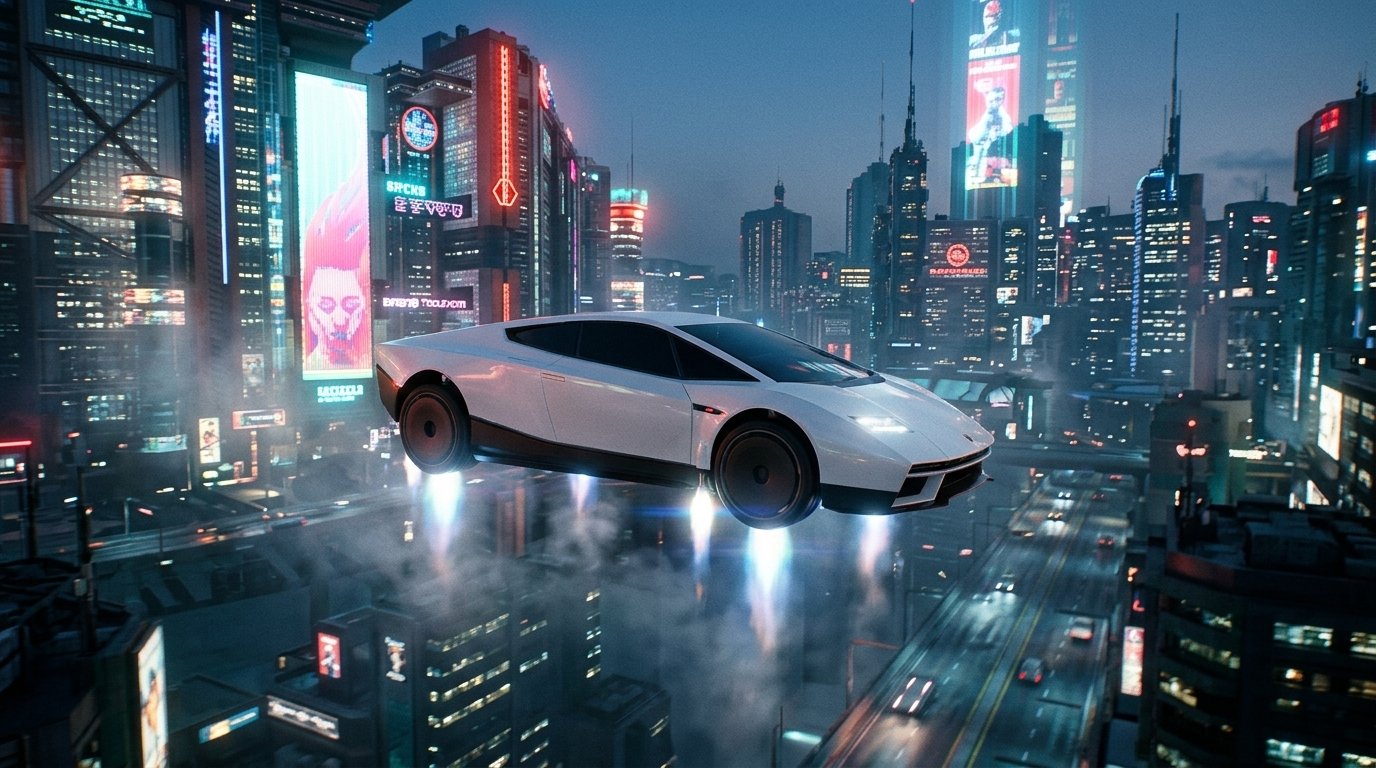 Post-event technical breakdowns revealed that there are actually four distinct trim levels available for the new tesla roadster:
- Base Trim: The standard electric powertrain without fan suction or rocket thrusters, serving as the entry-level model.
- Performance Trim: Incorporates an advanced underbody fan suction system, achieving 0–60 mph in 1.6 seconds.
- Thrust Trim: Adds high-pressure cold gas thrusters at the rear, dropping the 0–60 mph launch time to under 1.0 second.
- Rocket Trim: Features an expanded compressed air system with multi-directional thrusters, enabling airborne maneuvers and a 0.6-second 0–60 mph sprint.
The Fan Suction System: Track Innovation
The Performance specification of the new tesla roadster draws heavy inspiration from fan car technology like the McMurtry Spéirling. By deploying flexible rubber underbody skirts and spinning high-RPM fans, the car creates a vacuum seal underneath the chassis. This active suction removes air from beneath the floorboard, allowing atmospheric pressure to push the car downward with over 4,000 kg of static downforce. Because this downforce does not rely on forward speed over spoilers, the vehicle can achieve maximum tire grip from a complete standstill, enabling its blistering 1.6-second acceleration.
Cold Gas Thrusters and Extreme G-Forces
To surpass the physical traction limits of rubber tires, the Thrust trim of the new tesla roadster integrates four compressed air exhaust thrusters fed by a 200-liter carbon-overlaid pressure vessel. Containing pressurized nitrogen at 10,000 PSI directly behind the cabin, this system blasts compressed air out the rear to launch the car forward. Generating roughly 3 lateral Gs of acceleration, the vehicle hits 60 mph in under a second—a physical experience comparable to high-intensity roller coasters.
Taking things even further, the invite-only Rocket trim places a massive 400-liter compressed air tank in the passenger section, turning the new tesla roadster into a single-seater capable of jumping obstacle gaps and pulling off midair maneuvers.
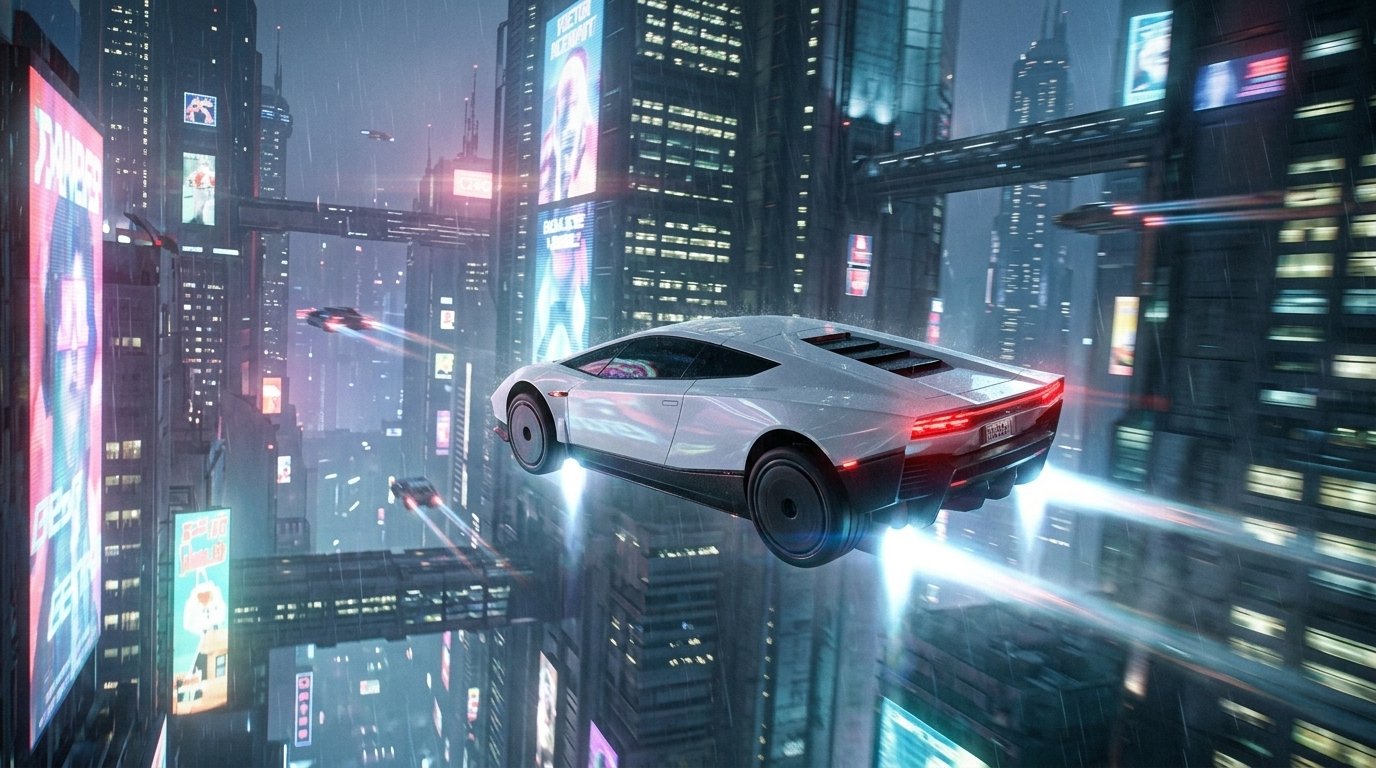 Legal Roadblocks, Crash Safety, and Production Realities
Despite these impressive engineering demonstrations, significant hurdles remain before any customer takes delivery. Key concerns surrounding the new tesla roadster include:
- Street Legality: Fan systems operating on public roads risk vacuuming up gravel and launching road debris at trailing vehicles. Furthermore, 10,000 PSI pressure tanks behind the passenger cabin raise serious crash safety and homologation questions.
- Noise Constraints: Cold gas thruster blasts produce extreme decibel levels that exceed standard municipal noise limits.
- Refill Times: A 3-to-5 second burst of thruster power depletes the nitrogen pressure vessel, requiring 6 to 7 hours to fully recharge.
- Production Timeline: Tesla officially promised a 2028 delivery date for the new tesla roadster, but the company’s reservation agreement explicitly notes that delivery timing cannot be guaranteed.
Ultimately, while the new tesla roadster represents a remarkable engineering flex and marketing masterclass, low-volume halo hypercars remain a secondary priority compared to high-volume consumer EVs and autonomous technology.

